Forestry for Timber Resources: Guide to Reforestation Basics
"The goal of reforestation is to re-establish forest cover on land that once held trees, but the scale of global efforts remains a subject of intense debate."
Securing reliable timber resources requires understanding the complexities of land use and the global landscape of forest restoration.
This guide covers the fundamental concepts of reforestation, provides a comparison of historical and projected forest expansion, and addresses the challenges of seedling survival.
What exactly is the scope of forestry for timber? A surveyor stands at the edge of a clearing, looking at the vast expanse of land where young saplings are being carefully placed into the soil. Determining the scope of Forestry for Timber Resources requires distinguishing between different types of land use and recovery efforts.
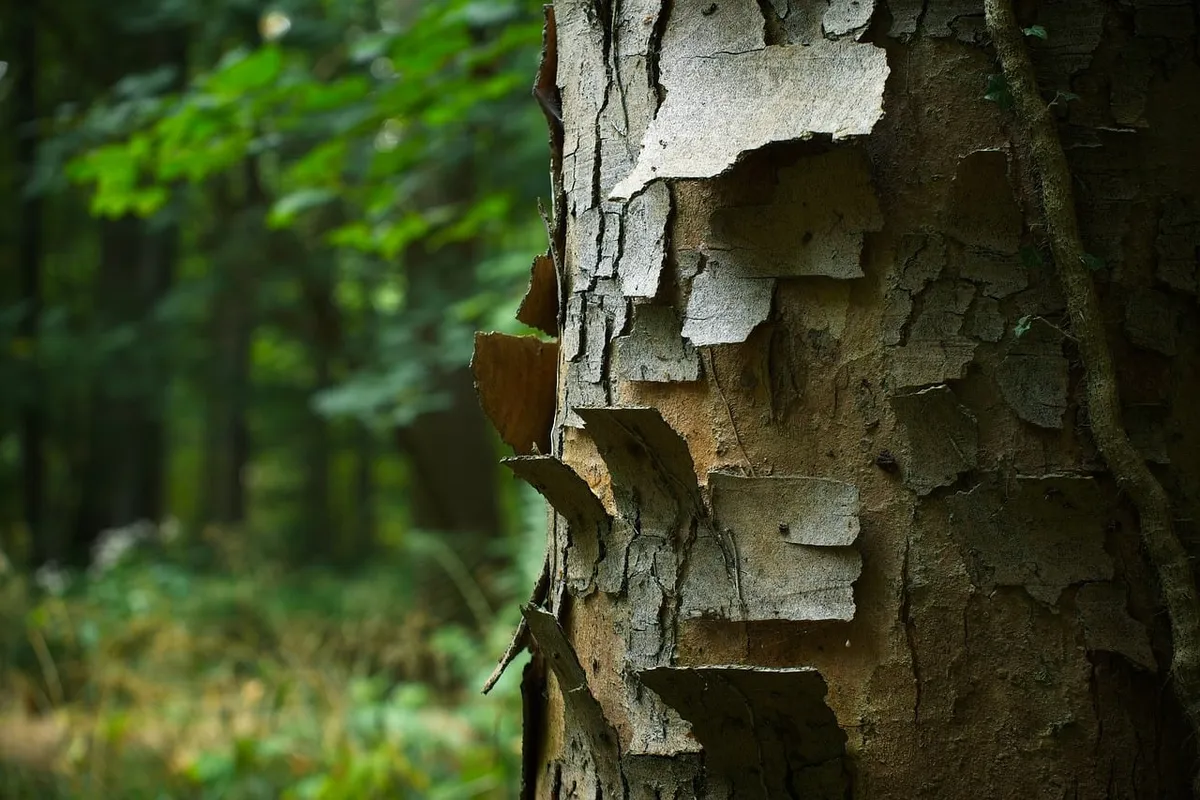
According to the United Nations Food and Agriculture Organization, about 12 million hectares was forested in 2015, representing about 15% of the land surface.
The definition of reforestation can vary depending on the governing body, such as the IPCC, which defines it as the conversion to forest of land that has previously contained forests but has been converted to other uses. This baseline helps planners understand what land qualifies for restoration.
According to the Food and Agriculture Organization of the United Nations, reforestation is the re-establishment of forest through planting or deliberate seeding on land classified as forest.
The scale of these efforts is immense, with a map created by the World Resources Institute in collaboration with the IUCN identifying 2 billion hectares for potential forest restoration, though this has been criticized for including 900 million hectares of grasslands.
Understanding these boundaries is essential for effective reforestation basics.
How can we understand reforestation basics through global trends?
A forester examines a digital map showing shifting green boundaries across different continents, noting how land use changes over decades. Reforestation basics involve recognizing how different nations manage their changing landscapes to meet economic and environmental needs.
Global trends show that planted forests increased from 4.1% to 7.0% of the total forest area between 1990 and 2015. This demonstrates an increasing reliance on managed areas to meet timber demands. While some nations focus on recovery, others manage existing growth to ensure sustainability.
The shifting landscape is evident in specific regional successes. For instance, the Food and Agriculture Organization of the United Nations ranked the Philippines fifth among countries reporting the greatest annual forest area gain, which reached 240,000 hectares during the 2010–2015 period.
This growth illustrates how active management can reshape a nation's resources.
What are the key steps to planting wood materials? A worker carefully digs a hole in the earth, preparing the ground for a single, sturdy sapling that represents decades of future growth. Effective wood material planting requires a systematic approach to ensure the long-term viability of the new forest.
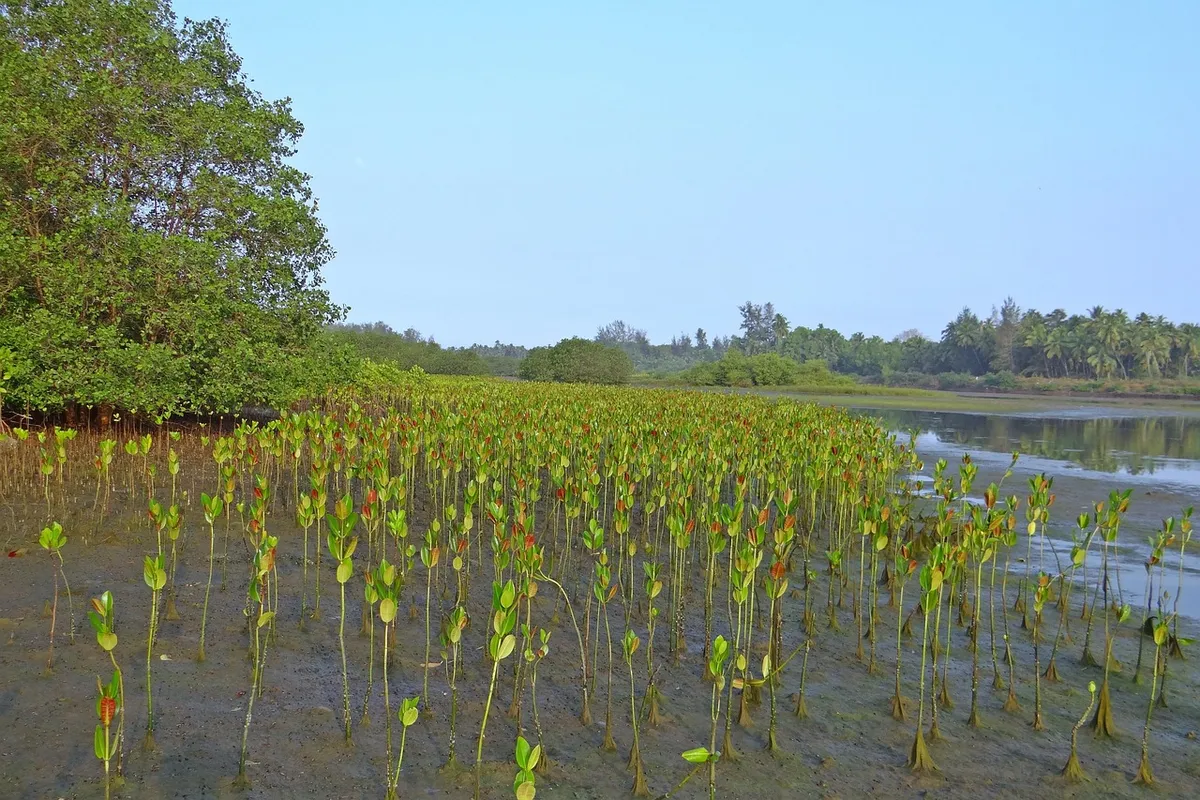
- Site assessment involves evaluating the soil and climate to ensure the land can support specific tree species. 2. Seedling selection focuses on choosing species that are suited to the local environment to maximize survival rates. 3. Planting execution requires precise spacing and depth to allow for healthy root development and canopy expansion.
I remember the careful attention required when checking the soil moisture after our first planting session to ensure the young trees were established. A final check of the planting density ensures the area will not be overcrowded as the trees mature.
- Site preparation and soil enrichment
- Seedling selection and nursery management
- Planting and initial establishment
- In this sequence, the second step is the most extensive.
How does ecological restoration steps differ from simple planting?
A researcher walks through a mix of old-growth trees and young saplings, recording the diversity of life within the stand. Following ecological restoration steps involves more than just putting trees in the ground; it requires recreating a functional ecosystem.
| Feature | Planted Forests | Natural Regeneration | | :--- | : much of the global forest area | Over 90% of the world's forests | | Growth Method | Planting and seeding | Organic regeneration |
While planted forests are a significant part of global efforts, over 90% of the world's forests regenerate organically. This natural process often creates more resilient ecosystems than manual planting alone.
Balancing these two methods is a core part of understanding how to manage timber and biodiversity.
What are the limitations of current reforestation efforts?
A heavy rainstorm hits a newly planted site, washing away much of the topsoil and several young seedlings. A significant limitation of reforestation is the high failure rate associated with manual planting.
According to the World Resources Institute, a map created in collaboration with the IUCN identifies 2 billion hectares for potential forest restoration and is criticized for including 900 million hectares of grasslands.
Planting new trees often leads to up to 90% of seedlings failing. This high mortality rate makes large-scale projects difficult to sustain without constant monitoring.
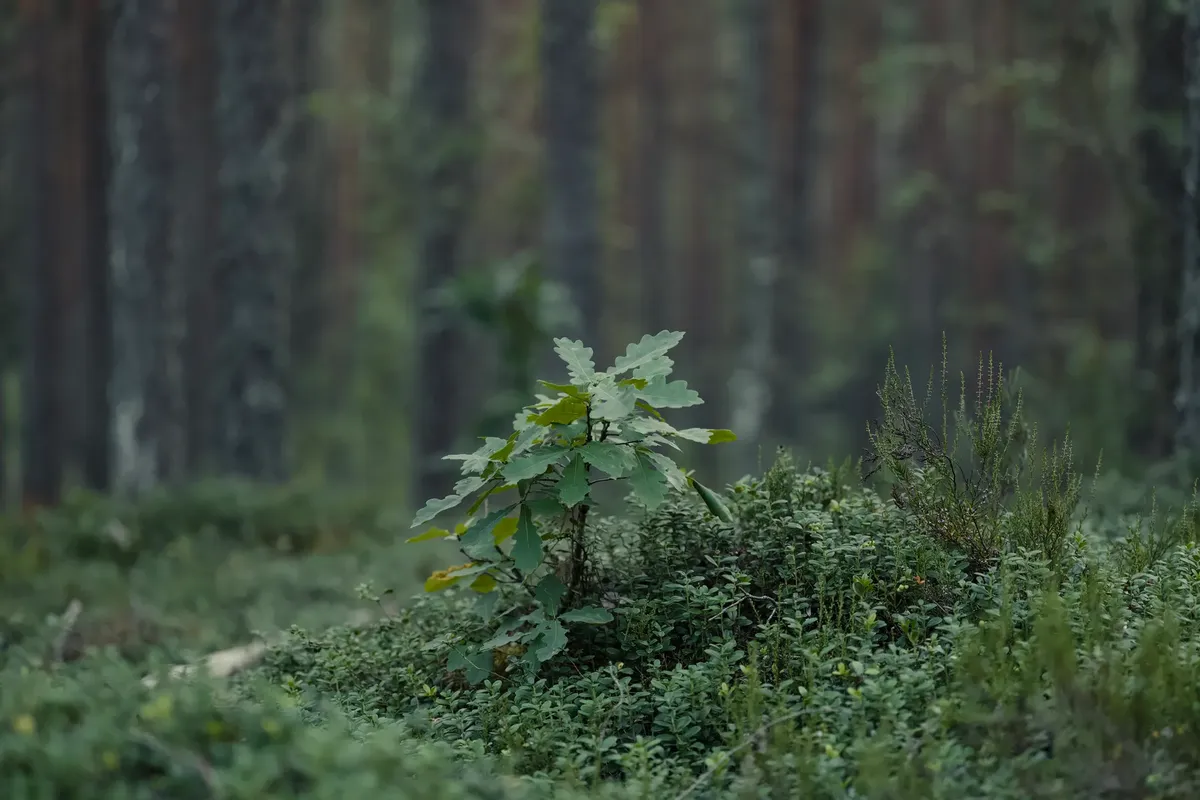
Additionally, a map created by the World Resources Institute in collaboration with the IUCN identifies 2 billion hectares for potential forest restoration, but this figure is criticized for including 900 million hectares of grasslands.
The effectiveness of a project is limited by the specific conditions of the land. If the land is not suitable for forestation, such as certain grassland regions, the attempt to reforest can lead to ecological imbalances.
Wikipedia: Reforestation (full) Based on the retained excerpt mentioning Icelandic Forest Service: Today, the country is about 2% forested, with the Icelandic Forest Service aiming to increase that share to 10% through reforestation and natural regrowth.
Related
- Plumbing repair guide: Managing mechanical structures issues
- Vacuum test for pipe leaks: Why check pipe leaks vacuum
What are the environmental considerations during reforestation? Ecological restoration steps require consideration of the land's existing biological makeup, which differs from simple planting. The goal of reforestation must account for the difference between planted forests and natural regeneration, as the latter often yields more resilient ecosystems. A forester must assess the soil and climate during site assessment to ensure the land can support the intended tree species.
This assessment helps determine if the land is suitable for forestation, a crucial condition when facing the high failure rate associated with manual planting. If the land is unsuitable, the entire reforestation effort risks creating ecological imbalances.
Comparing the methods shows that while planting provides immediate structure for timber resources, the natural regeneration process contributes to the vast majority of the world's forests. Therefore, the overall goal of reforestation must balance these two approaches for long-term success.







Comments 0