Tool usage and fire safety: Why safety is paramount
"Safety in manual tasks begins with understanding the tools and the energy they harness."
Mastering tool usage and fire prevention is essential for anyone engaging in home maintenance or DIY projects. This guide covers fundamental safety practices to prevent accidents and mitigate electrical risks.
Key takeaways include maintaining tool integrity, understanding electrical load limits, and following standardized safety protocols to prevent fires.
How to handle tool usage and fire safety?

A hand grips a screwdriver firmly while a flashlight illuminates a dark corner of a workshop. Proper tool usage and fire safety begin with selecting the right tool for the specific task at hand to avoid slips or mechanical failures.
Using a tool for something other than its intended purpose often leads to accidents or damage to the equipment.
Maintaining equipment is a vital component of safe operation. Inspecting cords for fraying and checking for cracks in tool casings prevents electrical hazards before they start. When a tool feels loose or a battery appears swollen, it should be set aside immediately for repair or replacement.
How can I stay safe while using DIY tools? At dawn in the dusty garage, my hands tremble slightly as I inspect a cracked tool for hidden fractures.
A worker clears a workbench of clutter to create a stable workspace. Following a DIY tool guide safety approach involves organizing the work area to prevent tripping hazards and ensuring that flammable materials are kept far from sparks.
A clean workspace allows for better control over movements and prevents sudden accidents.
Checking the power source is equally important for stability. Ensure that the voltage of the tool matches the outlet to prevent overheating or electrical surges. Keeping tools clean of dust and grease prevents them with electricity or heat from becoming fire hazards.
Basic electric fire prevention
In the dim kitchen, a sharp scent of ozone fills the air as I touch a warm outlet near my power tool.
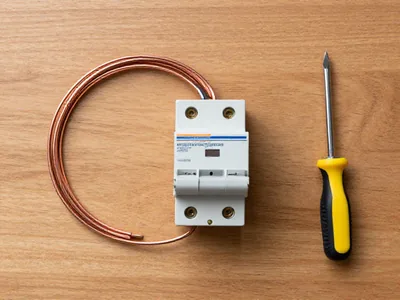
A circuit breaker panel sits quietly on a wall, waiting to manage the flow of power. Practising basic electric fire prevention requires understanding that overloaded circuits are a primary cause of domestic fires.
Plugging too many high-wattage devices into a single outlet or extension cord can lead to dangerous heat buildup.
Regularly inspecting outlets for discoloration or heat can prevent a fire before it spreads. If an outlet feels warm to the touch, it is a sign of a potential wiring issue that needs professional attention. Avoiding the use of damaged plugs ensures that the connection remains secure and safe.
How to use tools safely in a workspace?
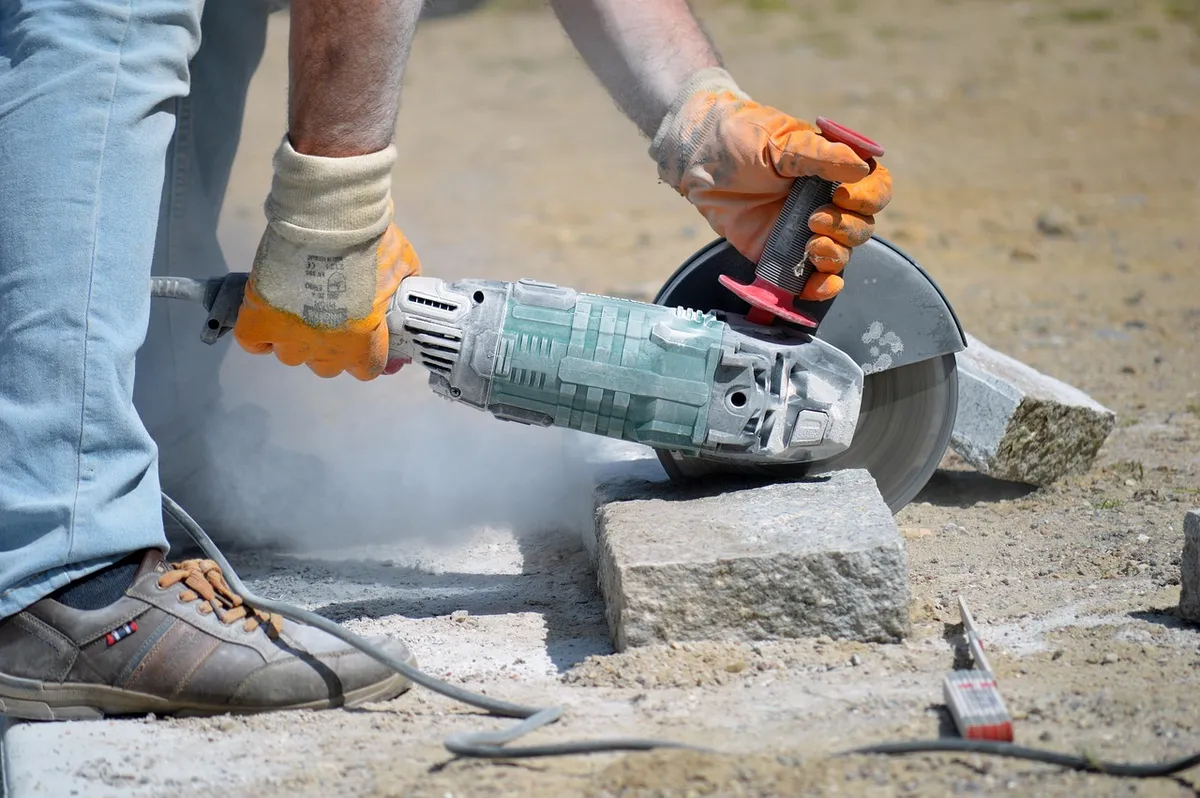
A technician carefully measures a wooden plank before making a cut. Learning how to use tools safely involves wearing appropriate personal protective equipment, such as safety glasses and gloves, to mitigate injury.
Proper posture and a stable stance provide the leverage needed to control heavy or vibrating machinery.
Always disconnect the power source before making adjustments or cleaning a tool. This simple step prevents accidental activation that could cause severe injury. Keeping fingers away from cutting edges and using push sticks for small pieces ensures that hands remain clear of danger.
Essential DIY safety knowledge for electrical tasks

One hand reaches for a multimeter to check a circuit's continuity. Developing essential DIY safety knowledge means recognizing when a task exceeds your current skill level. Knowing when to call a licensed professional is a critical part of maintaining a safe home environment.
When working near electricity, always use insulated tools designed for electrical work. This prevents the user from becoming a path to the ground during an accidental contact. Understanding the difference between grounded and ungrounded equipment helps in making informed decisions during repairs.
Comparing energy-related safety and emissions
While tool safety focuses on immediate physical protection, understanding the energy we use provides a broader context of environmental impact and system stability.
| Category | Focus Area | Primary Goal |
|---|---|---|
| Tool Safety | Physical handling and workspace | Injury prevention |
| Electrical Safety | Circuitry and power sources | Fire prevention |
I ensured that every tool was inspected for damage before starting the repair process. While these steps prevent immediate accidents, the scope of these tips is limited to general safety and does not replace professional electrical certification or specialized training for high-voltage systems.
Wikipedia: Geothermal power (full) Based on the retained excerpt mentioning IPCC: Existing geothermal electric stations that fall within the 50th percentile of all total life cycle emissions studies reviewed by the IPCC produce on average 45 kg of CO2 equivalent emissions per megawatt-hour of generated electricity (kg CO2eq/MWh).
- How to handle tool usage and fire safety?
- Essential DIY tool guide safety
- Basic electric fire prevention
The same subject is also called Electrical safety tips home.
This part also covers Safe tool operation guide.
This part also covers Preventing electrical fires at home.
Related
- Power tool safety checks: Why clear work zones before use
- Multi-tap capacity 80% rule: Tips for home wiring safety
When is Safety Paramount in Manual Tasks? Safety is paramount in manual tasks when the potential for mechanical failure or electrical hazard is present. This condition necessitates careful adherence to tool inspection and workspace organization. A worker must recognize when a task demands specialized knowledge beyond general DIY skills.
Maintaining Safety during manual tasks requires a proactive approach to equipment condition. Inspecting cords for fraying and checking tool casings for cracks addresses potential electrical hazards before they manifest.
Setting aside any tool that feels loose or has a swollen battery prevents immediate danger.
How Does Organization Impact Safety in Manual Tasks? Organization directly impacts Safety in manual tasks by controlling the immediate environment. A clean workspace prevents tripping hazards, which can lead to falls while handling tools. Keeping flammable materials away from potential ignition sources mitigates fire risk during the work.
Proper organization allows the user better control over their movements, which is crucial when operating equipment. This control is maintained when the work area is free from clutter, supporting safe manual procedures.





Comments 0