Sustainable forest management: How to define forest scope
"The re-establishment of forest through planting and/or deliberate seeding on land classified as forest is a vital component of global ecological health."
Sustainable forest management requires a careful balance between natural regrowth and active intervention to ensure long-term resource stability.
This guide examines global reforestation trends, the complexities of identifying potential forest land, and the strategic importance of planting native species to support biodiversity.
Key takeaways: * Identifying potential restoration areas requires distinguishing between true forest land and grasslands. * Global forest gains vary significantly by region, with some nations seeing rapid increases in coverage.
* Successful reforestation strategies must account for seedling survival rates and the use of native versus exotic species.
How do we define the scope of reforestation?
A researcher stares at a vast landscape, trying to determine if the rolling hills constitute a forest or merely open grazing land. Defining the boundaries of what constitutes a forest is the first hurdle in any reforestation planning.
According to FAO terminology, reforestation is the re-establishment of forest through planting and/or deliberate seeding on land classified as forest. This distinction is critical because the land must have been previously categorized as forest to meet this specific criteria.
The scope of these efforts is massive. A map created by the World Resources Institute in collaboration with the IUCN identifies 2 billion hectares for potential forest restoration, though this figure is criticized for including 900 million hectares of grasslands.
Precise forest area statistics remain a subject of intense debate among ecologists.
In this sequence, the first step is the most fundamental.
How is the world's forest area changing? Sustainable forest management A technician reviews satellite imagery, noting the shifting green patches across different continents. Understanding global forest area statistics helps planners set realistic targets for timber supply strategy.
The scale of forest coverage is diverse. For example, the Food and Agriculture Organization of the United Nations ranked the Philippines fifth among countries reporting the greatest annual forest area gain, which reached 240,000 hectares during the 2010–2015 period.
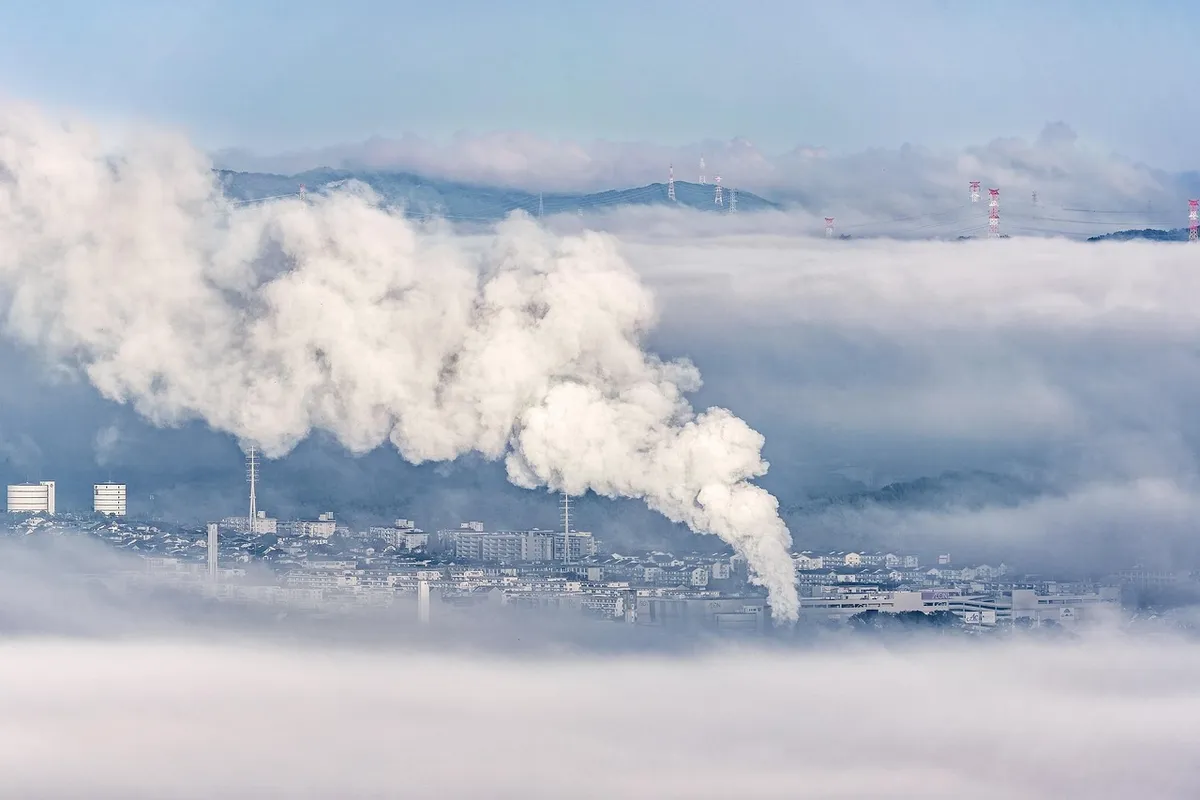
Growth rates vary by nation. In Iceland, the country is about 2% forested, with the Icelandic Forest Service aiming to increase that share to 10% through reforestation and natural regrowth. These localized efforts contribute to the larger global picture of reforestation planning.
How can we identify potential forest land?
A forester walks through a clearing, measuring the soil quality to see if it can support new growth. Identifying suitable land is essential for optimizing planting strategies and ensuring the longevity of the ecosystem.
The potential for expansion is significant. According to the World Resources Institute "Atlas of Forest Landscape Restoration Opportunities", 50 million hectares are potential forest land, a similar area to the ancient Anatolian forest mentioned above.
Effective resource management involves evaluating these areas carefully. While the potential is vast, the success of reforestation planning depends on matching the right species to the right terrain.
What are the risks of planting new forests?
A gardener kneels in the dirt, checking a fragile seedling for signs of disease or drought. The reality of planting new trees often leads to up to 90% of seedlings failing, highlighting the difficulty of successful reforestation.
The composition of these forests also matters. Of the planted forests worldwide, 18% of that area consists of exotic or introduced species while the rest consist of species native to the country where they are planted. This balance is crucial for maintaining ecological integrity.
| Forest Type | Percentage of Total Planted Forest |
|---|---|
| Non-intensively managed | 55% |
| Other types | 45% |
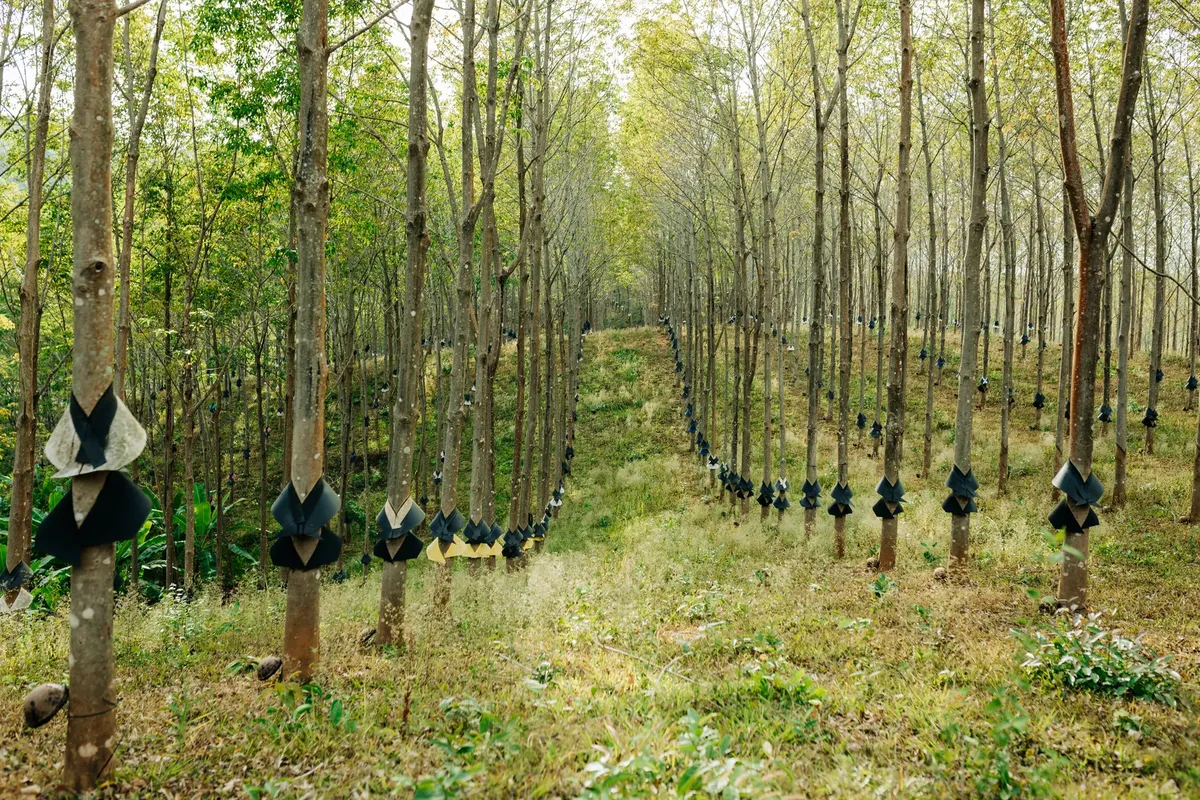
I noticed during a field study that managing these different forest types requires vastly different approaches. While some forests are managed intensively, others, which comprise 55 percent of all planted forests, are not intensively managed and may resemble natural forests at stand maturity.
What are the essential steps for reforestation?
A community group gathers saplings, preparing for a long day of planting in the hills. To move from a bare landscape to a thriving ecosystem, a structured approach is required.
- Identify land that meets the specific definition of a forest area to ensure the project meets ecological and legal standards. 2. Select species that are native to the region to avoid the risks associated with exotic or introduced species. 3. Implement consistent monitoring to address the high failure rates of seedlings.
Always perform a final check to ensure that the chosen land is not actually a grassland, as misidentification can lead to ecological imbalance.
- Site assessment and soil preparation
- Species selection and nursery management
- Planting and initial maintenance
What are the limitations of reforestation?
A scientist examines a patch of degraded soil, noting the lack of organic matter. Even with the best intentions, certain environmental conditions can make reforestation difficult or even counterproductive.
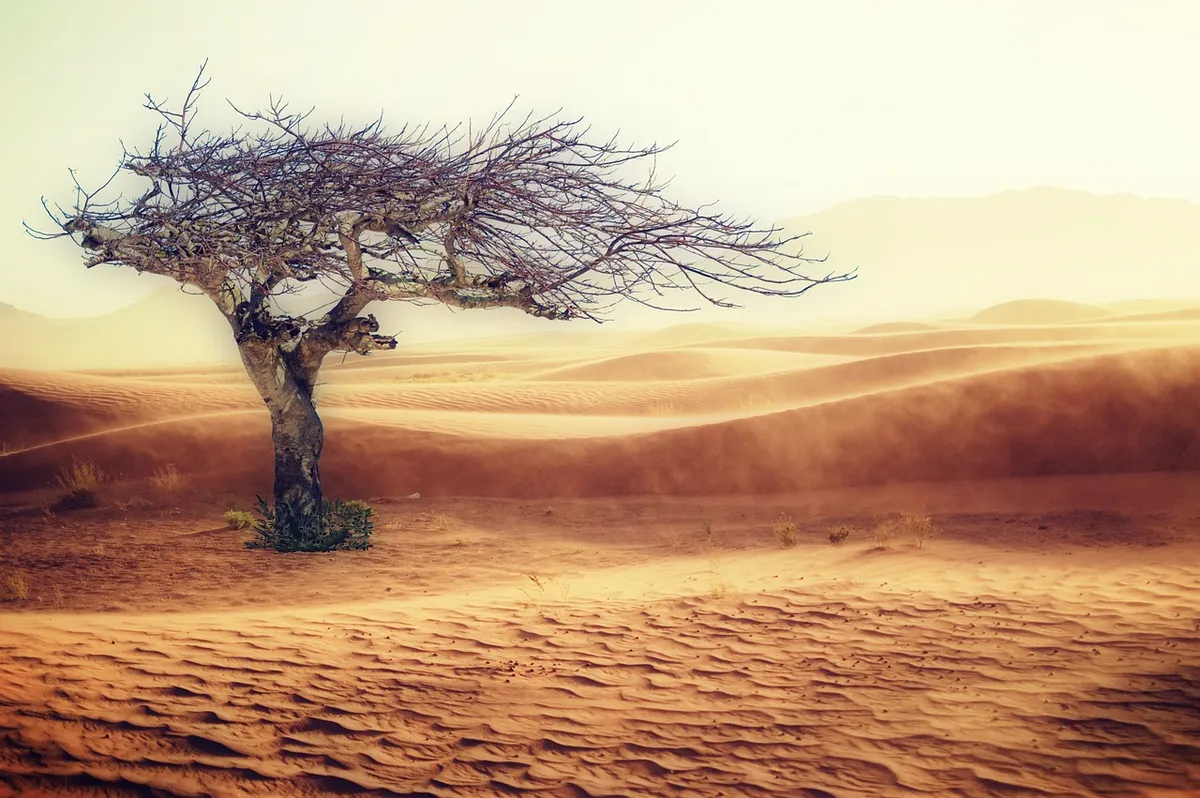
One major limitation is that the definition of forest can vary. For instance, according to the United Nations Food and Agriculture Organization definition of forest, about 12 million hectares was forested in 2015, representing about 15% of the land surface.
The effectiveness of these efforts is also limited by the original state of the land.
The European Commission found that, in terms of environmental services, it is better to avoid deforestation than to allow for deforestation to subsequently reforest, as the former leads to irreversible effects in terms of biodiversity loss and soil degradation.
In this sequence, the second step is the most extensive.
The same subject is also called Forest resource care.
This part also covers Global timber resource trends.
This part also covers Long term forest health.
Global timber resource trends
Related







Comments 0