Baseboard making guide: Guide to secure fastening techniques
"A well-crafted baseboard provides the structural foundation that elevates a piece of furniture from a simple box to a professional-looking finished product."
A solid cabinet baseboard making guide begins with understanding structural support and aesthetic integration. To succeed, you must master precise cutting, secure fastening, and seamless edge transitions.
Key takeaways: 1. Master tool proficiency and measurement accuracy. * Understand how lighting interacts with decorative moldings. * Follow a systematic assembly and installation sequence.
How to master basic baseboard skills?

At the dusty workbench, I grip the heavy saw tightly to practice cutting the perfect angle for a new baseboard.
A carpenter stands at a workbench, measuring a thick piece of hardwood while checking the alignment of the floor. Mastering basic baseboard skills requires a blend of mathematical precision and physical coordination.
According to KOSIS, verified official statistics such as population, general society, and crime/safety can be utilized for data-driven planning.
Effective training often involves significant time in workshops to learn the nuances of wood grain and tool handling.
For instance, during certain pre-apprenticeship programs, trainees spend 30 hours a week for 12 weeks in classrooms and indoor workshops learning mathematics, trade terminology, and skill in the use of hand and power tools.
This rigorous training ensures that the foundational elements of furniture, like the base, are built to last.
Developing these skills ensures that every cut is purposeful and every joint is tight.
What steps are essential for furniture baseboards? Cabinet baseboard making guide The workshop floor is covered in fine sawdust as a technician carefully aligns a new base rail with a cabinet carcass. Following specific furniture baseboard steps ensures the unit remains stable and visually balanced.
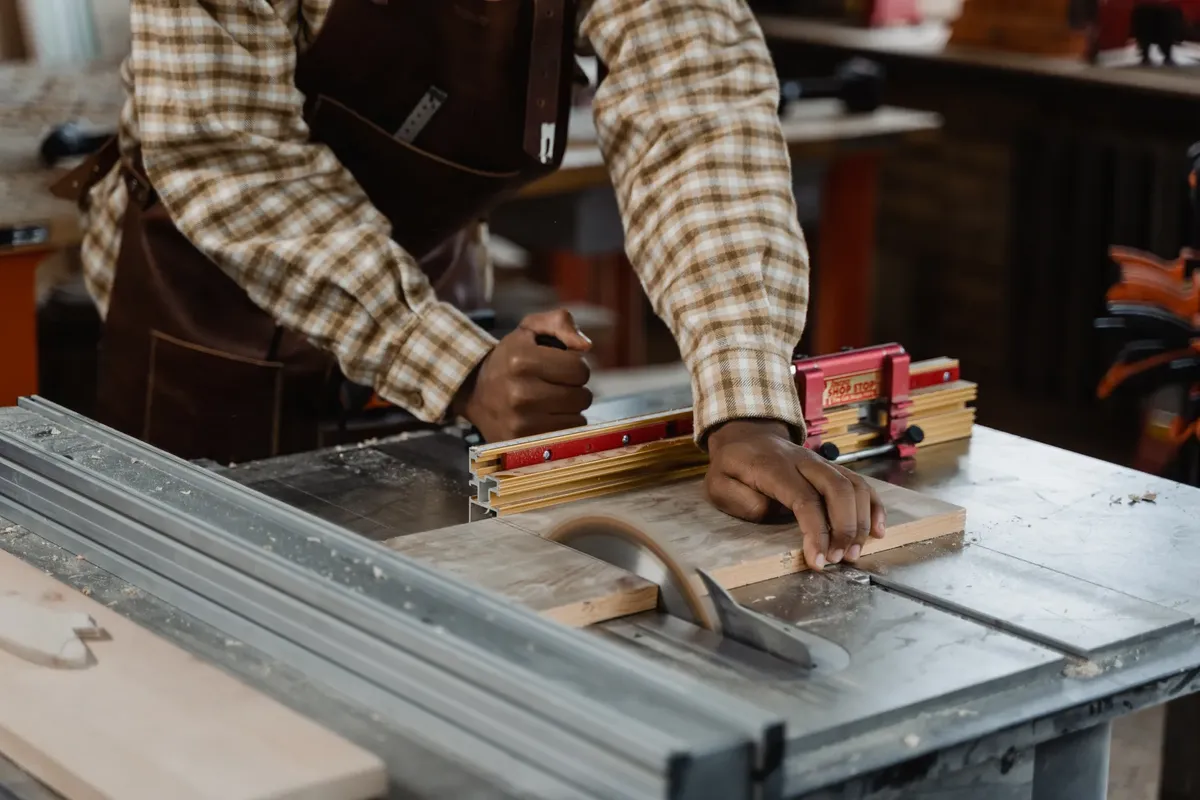
- Measure the total width of the furniture unit and subtract the required clearance for the floor. 2. Cut the baseboard material to the calculated length using a stable saw to prevent splintering. 3. Secure the baseboard to the bottom of the cabinet using appropriate fasteners or joinery techniques.
I remember carefully checking my measurements twice before making the first cut on a custom project. A final check involves verifying that the baseboard sits perfectly flush against the vertical panels of the furniture.
Can decorative molding change my baseboard's look? A technician holds a piece of fillet molding up to a vertical surface to observe the shadow cast by the overhead workshop lights. When working on furniture, adding a small overhanging horizontal molding, called a fillet molding, can change the visual depth of the piece.
If a vertical wall is lit at an angle of about 45 degrees above the wall, adding this type of molding will introduce a dark horizontal shadow below it. This shadow can hide gaps or add a sense of weight to the bottom of the furniture.
Understanding these light-and-shadow dynamics is vital for professional finishing.
How to handle tools needed for baseboard construction?

A heavy-duty miter saw sits on a sturdy stand, ready to process thick timber for a custom base. Selecting the right tools needed for baseboard construction is the first step in preventing errors and ensuring safety.
Using sharp, well-maintained hand tools and power tools allows for much cleaner cuts. If you are working with thicker materials, ensure your saws have the capacity to handle the height of the baseboard without vibrating.
Proper tool selection prevents the wood from splitting during the assembly process.
What are the techniques for cutting baseboard accurately?
A worker marks a precise line on a piece of oak, using a square to ensure the angle is perfectly perpendicular. Techniques for cutting baseboard accurately involve more than just following a line; they require managing the thickness of the blade and the grain of the wood.
Always account for the kerf, which is the width of the cut made by the saw blade. If you do not compensate for this loss of material, your final baseboard will be too short for the furniture. Small adjustments during the cutting process prevent large mistakes during the final assembly.
How to manage finishing baseboard edges?
A fine-grit sandpaper moves smoothly across a wooden edge, smoothing out the rough texture from the saw. For a professional finish, you must focus on finishing baseboard edges to hide the raw wood grain and ensure a seamless look.

Smoothing the edges prevents sharp corners that might catch on flooring or vacuum cleaners. If you are using decorative moldings, ensure the edges of the molding and the baseboard meet perfectly to avoid visible gaps.
A clean edge is the difference between amateur work and professional craftsmanship.
- How to master basic baseboard skills?
- What steps are essential for furniture baseboards?
- Can decorative molding change my baseboard's look?
The subject here is Cabinet baseboard making guide.
The same subject is also called How to make baseboard.
The same subject is also called DIY baseboard construction.
Related
- How to manage moisture during furniture repair?
- Leveling furniture repair guide: Tips for steady furniture
When should structural support take precedence over aesthetics? Structural support must take precedence when the baseboard is intended to bear weight or provide necessary rigidity to the furniture piece. A well-crafted baseboard functions as a load-bearing element if the furniture design demands it, meaning the material strength dictates the design choice over purely decorative considerations. If the baseboard is merely cosmetic, aesthetic integration can guide the final appearance.
What cautions apply when fastening baseboards? Caution must be exercised when securing the baseboard to the cabinet carcass, as improper fastening can compromise the entire structure. Secure fastening requires using appropriate fasteners or joinery techniques suitable for the material thickness. If the fasteners are inadequate, the baseboard may shift, undermining the professional look.
When applying fasteners, one should consider the material's density to select hardware that will grip firmly without causing excessive splitting. This careful approach ensures the baseboard remains tight against the cabinet panels.
The visual balance of the furniture unit relies heavily on how the baseboard meets the vertical surfaces. A final check must confirm that the baseboard sits perfectly flush against these panels for a seamless appearance.






Comments 0