Basic tools for DIY repair: tips for home fixing projects
A heavy wrench rests on a wooden workbench, its cold steel reflecting the dim light of a garage.
Building a toolkit starts with understanding the legal and practical rights of ownership to ensure you can maintain your own equipment.
This guide covers how to select basic tools for DIY repair, provides tips for home fixing projects, and explores the essential repair tools guide through the lens of modern ownership rights.
We will cover how to choose the right tools for DIY projects, discuss the importance of access to information, and address the limitations of self-repair.
How do I start building a basic tool kit?
In the quiet garage at dawn, I run my fingers over the cold metal of a new wrench to begin building a basic tool kit.
A hand reaches for a screwdriver, testing the grip of the handle against a palm. Selecting the right tools for DIY projects begins with identifying the most common mechanical tasks in your household or farm.
Effective tool selection requires focusing on versatility and durability. You should prioritize tools that can handle multiple fastener types and sizes. A well-rounded kit allows you to address sudden mechanical failures without needing to purchase specialized equipment for every single task.
The Fulu Foundation was created in 2023 by Louis Rossmann and Eron Jokipii to expose companies' anti-ownership practices, educate the public, unite those in the repair industry, and lobby to reform anti-repair legislation.
This organization highlights why having the right tools is not just about mechanics, but about exercising ownership.
- Assess your current space and common household needs.
- Purchase versatile hand tools that serve multiple purposes.
- Gradually add specialized equipment as specific projects arise.
What are the essential repair tools guide basics? Basic tools for DIY repair
A metal toolbox clicks shut, echoing through a quiet workshop. Understanding the essential repair tools guide involves recognizing that specialized tasks often require specific, high-quality instruments.
Beginners should focus on manual hand tools before moving to power tools. This includes a set of screwdrivers, a socket wrench set, pliers, a hammer, and a tape measure. These items form the foundation of any troubleshooting process.
When you look for five must-have repair tools, you are essentially looking for tools that bridge the gap between simple adjustments and significant mechanical overhauls. Having these basics ensures you can perform routine maintenance or minor fixes effectively.
In this sequence, the second step is the most comprehensive.
How can I ensure I have the right tools for DIY?
A technician compares two different sized wrenches side by side on a greasy rag. Choosing the right tools for DIY means matching the tool's scale to the specific hardware you are servicing.
| Tool Category | Primary Function |
|---|---|
| Hand Tools | Manual manipulation and tightening |
| Power Tools | High-torque or high-speed tasks |
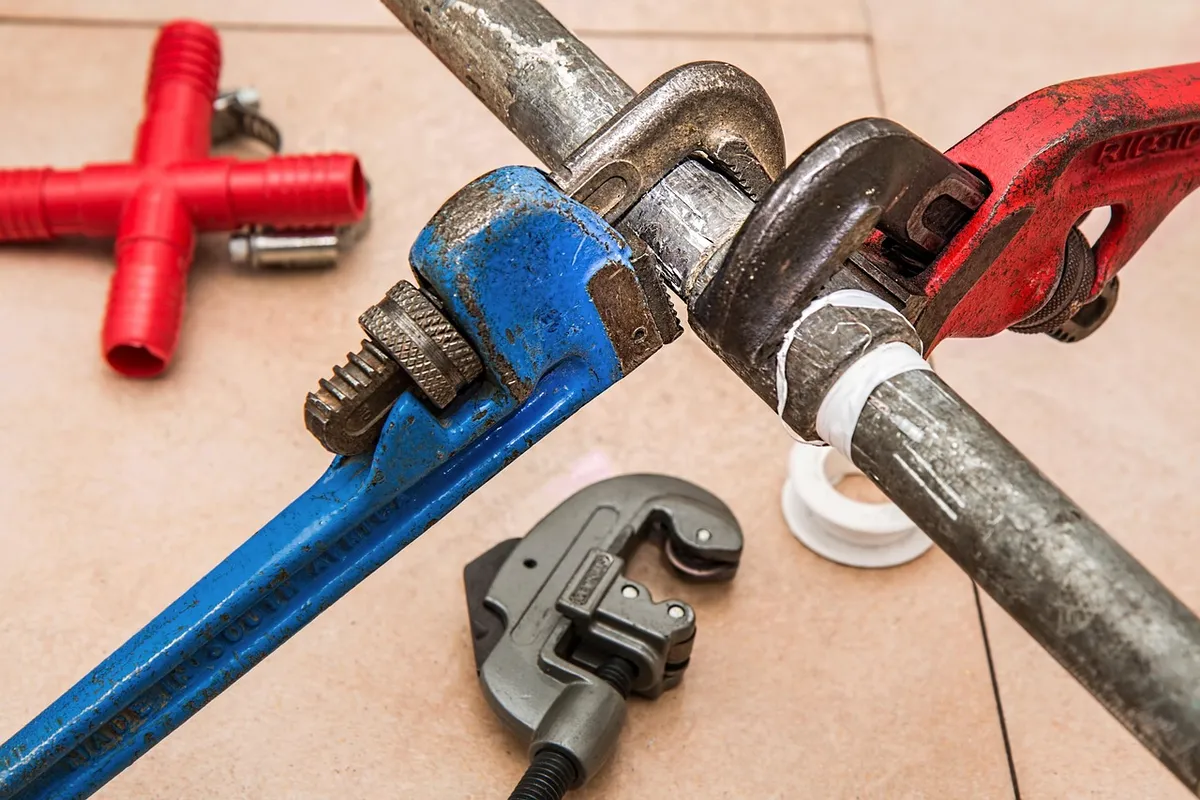
I once spent an entire afternoon trying to force a standard wrench onto a bolt that required a specialized socket, proving that size and fit are everything. Always verify the fit before applying force to prevent stripping screws or damaging the hardware.
What role does information play in tool selection?
A finger scrolls through a digital manual on a tablet screen. Safe tool use for beginners often depends on having access to the correct technical specifications and repair manuals.
Access to information is as vital as the physical tools themselves. Without knowing the torque specs or the disassembly sequence, even the best tools can cause damage. Legislation often addresses this by requiring manufacturers to provide necessary data to those performing the work.
In 2022, legislative changes introduced "The Motor Vehicle Repair and Service Information Sharing Scheme," which requires manufacturers, importers, and others to provide information to repairers and Registered Training Organisations at a fair market price.
This ensures that those with the tools also have the knowledge to use them correctly.
How do I manage a DIY repair project safely?
A person pulls on thick leather gloves before picking up a heavy metal component. Following a structured approach helps prevent accidents and ensures the job is completed correctly.
To manage a repair effectively, follow these steps:
- Identify the specific problem and the tools required to address it. 2. Clean the work area and inspect all tools for cracks, wear, or damage. 3. Perform the repair using the correct size and type of tool for each fastener.
Always perform a final check by re-inspecting the tightened components and ensuring no tools have been left inside the machinery. This prevents secondary failures caused by overlooked loose parts.
The same subject is also called Choose right tools for DIY.
The same subject is also called Simple tool selection tips.
The same subject is also called DIY tool kit basics.
Safe tool use for beginners
Related
- Concrete wall painting guide: 10 cm to paint concrete walls
- Labor division tips Streamlining for stable growth guide
Why is tool fit so critical for repairs?
Matching the tool size to the hardware prevents damage to the fastener. Using a heavy wrench on a bolt that is too small can lead to stripping or mechanical failure.
If you use a tool that does not fit perfectly, you risk causing permanent damage to the hardware. Always compare the tool to the fastener to ensure a secure grip before applying any force.
What are the risks of improper tool use?
Improper tool use can lead to secondary failures or injury. Using the wrong size tool or failing to follow technical specifications can result in stripped screws or broken components.
- Verify the tool size matches the fastener exactly. 2. Check that the tool is in good condition without cracks or wear. 3. Follow the disassembly sequence found in technical manuals.
Always double-check that no tools are left inside the machinery after the repair is finished. A heavy wrench left inside a machine could cause significant damage during operation.
Wikipedia: Right to repair (full) Based on the retained excerpt mentioning The Motor Vehicle Repair and Service: In 2022, legislative changes introduced "The Motor Vehicle Repair and Service Information Sharing Scheme", which requires manufacturers, importers and others to provide information to repairers and Registered Training Organisations at a fair market price.




Comments 0