Filter change: Improve AC efficiency with filter change now
"The cooling capacity required to maintain comfort is growing at a rate that demands more efficient technology and better maintenance habits."
Improving AC efficiency with filter change is a vital step for managing rising energy demands and ensuring cleaner indoor environments. This guide covers how to manage your unit's performance, the importance of effective cooling, and the potential environmental impact of efficiency improvements.
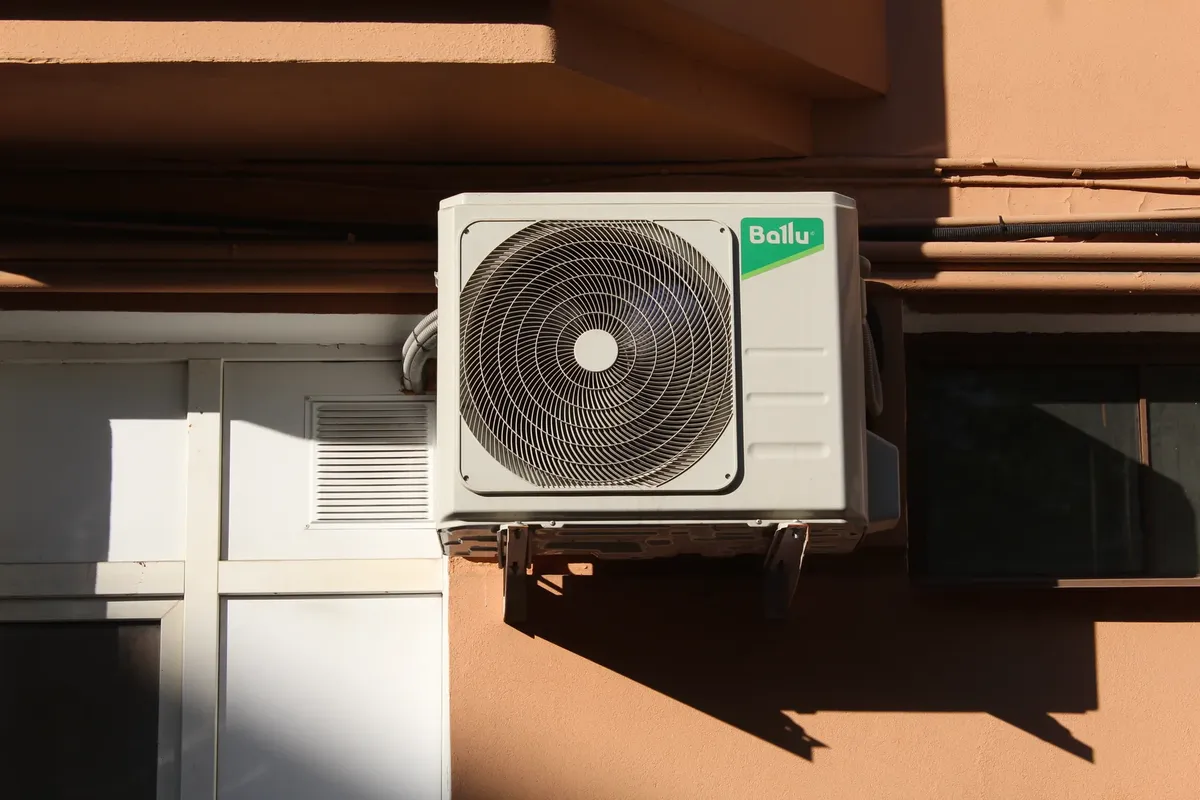
Key takeaways include understanding global cooling trends, recognizing the power of efficiency, and implementing routine maintenance.
How can we improve AC efficiency with filter change?
A technician slides a dusty, heavy filter out of a sleek metal slot, revealing the pristine white surface of a new replacement. This simple action prevents the unit from working harder to pull air through clogged mesh, directly impacting energy use.
According to the International Energy Agency (IEA), 1.6 billion air conditioning units were used globally in 2016. As the number of units increases, maintaining each one becomes critical for energy management.
If air conditioners could be twice as effective as now, 460 billion tons of GHG could be cut over 40 years, according to the United Nations Environment Programme (UNEP) and the IEA.
Maintaining clean airflow is a primary way to boost AC performance easily. When filters are clean, the system moves air with minimal resistance, reducing the strain on the motor. This ensures that the energy used goes toward cooling rather than fighting through blockages.
Why is the growth of cooling capacity significant?

An engineer looks at a digital map showing rising temperatures and projected energy loads across different continents. The scale of future cooling needs highlights the necessity of efficient technology.
The International Energy Agency predicted in 2018 that the number of air conditioning units would grow to around 4 billion units by 2050. During this growth, total cooling capacity is expected to reach around 23,000 GW, with the biggest increases occurring in India and China.
Understanding these trends helps in planning for long-term energy-saving AC filter tips. As the global demand rises, the difference between a well-maintained unit and a neglected one becomes a matter of significant energy consumption.
According to International Energy Agency, the 2016 record includes 1.6 billion.
How can we achieve clean air with filter replacement?
A homeowner pulls a filter from a vent, noticing the fine layer of dust that has accumulated over the last month. They rinse the mesh or swap it for a new one to ensure the air flowing into the room is fresh.
Improving indoor air quality now starts with regular inspections of the filtration system. Filters trap particulates, but they also restrict airflow if they become saturated with debris.
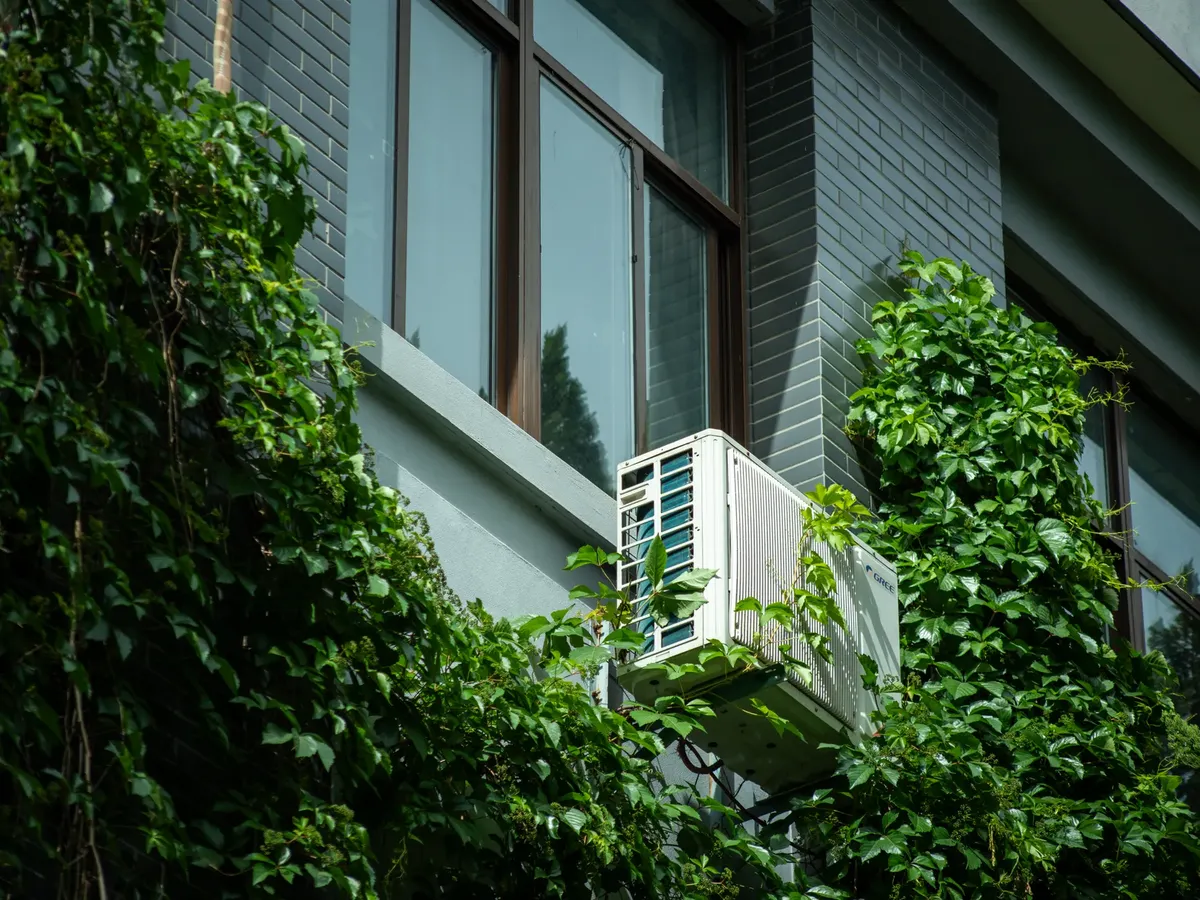
One can follow these steps for effective maintenance: 1. Inspect the filter regularly to check for visible dust buildup or discoloration. 2. Replace the filter according to the manufacturer's recommended schedule or when airflow feels weak. 3.
Ensure the new filter matches the correct size and MERV rating for your specific unit.
I remember checking my own unit after a particularly dusty season and realizing how much more quiet the fan ran after a simple swap.
According to The International Energy Agency, the 2050 record includes 4 billion.
What are the limitations of current efficiency efforts?
A technician measures the temperature difference between the intake and the output, noting how the system struggles under heavy loads. The reality of environmental variables remains a challenge for any single maintenance task.
While individual maintenance helps, it is subject to external factors like seasonal changes and system-wide losses. For instance, in space conditioning, the duct losses can account for 30% of energy consumption.
The effectiveness of a filter is also limited by the specific design of the unit and the environment. For example, an air cleaner with a flow rate of 30 cubic metres (1,000 ft3) per minute and an efficiency of 50% has a CADR of 15 cubic metres (500 ft3) per minute.
Wikipedia: Photovoltaic system Based on the retained excerpt mentioning The Fraunhofer Institute: A group from The Fraunhofer Institute for Solar Energy Systems has created a cell that can reach 44.7% efficiency using the equivalent of "297 suns".
The subject here is Improve AC efficiency with filter change.
The same subject is also called Best time to change AC filter.
The same subject is also called Energy saving AC filter tips.
This part also covers How filter cleaning saves electricity.
This part also covers Routine AC maintenance guide.
How filter cleaning saves electricity
Related
- Electric drill safety check: Battery life tips guide 50%
- Tool usage and fire safety: Why safety is paramount
What are the implications of poor cooling capacity maintenance? 1. Neglecting routine maintenance directly increases the strain on the unit's motor. 2. This increased strain forces the system to expend more energy to achieve the desired cooling. 3. The resulting inefficiency means that energy intended for cooling is instead used to overcome system resistance. 4. Poor maintenance exacerbates the challenges presented by the growing global cooling capacity requirements.
The consequence of decreased efficiency is a higher energy footprint for every unit operating in the field. This situation compounds the pressures noted from the rising global cooling trends.
Furthermore, the system's inability to operate optimally means it cannot meet the required comfort levels effectively.
How does filter maintenance relate to energy use? 1. A clean filter allows the system to move air with minimal resistance through the unit. 2. This reduced resistance lowers the operational load placed upon the air conditioning unit. 3. Consequently, the energy consumed shifts from overcoming blockages toward achieving effective cooling. 4. This direct relationship shows how simple filter changes contribute to overall energy management.
The IEA data illustrates the scale of the issue, showing that increased unit usage demands commensurate improvements in maintenance practices. When units operate under suboptimal conditions due to clogged filters, they consume more energy than necessary to deliver the same cooling capacity.
This inefficiency directly counters the goals of energy conservation.
The comparison between a clean and clogged filter highlights a clear operational difference. A unit with a clean filter operates closer to its designed efficiency, whereas a unit with a heavily restricted filter operates under duress, requiring greater power input for the same cooling output.
This operational comparison underscores the value of proactive filter replacement.







Comments 0