Wood baseboard making guide: Tips for baseboard making guide
"A solid foundation is the difference between a piece of furniture that lasts a lifetime and one that wobbles within a month."
To build a sturdy furniture baseboard, you must select stable wood, ensure precise leveling, and secure the components to a rigid frame. This guide covers the essential steps for creating a durable base, the necessary tools, and how to avoid common structural errors.
How to start with wood baseboard making?
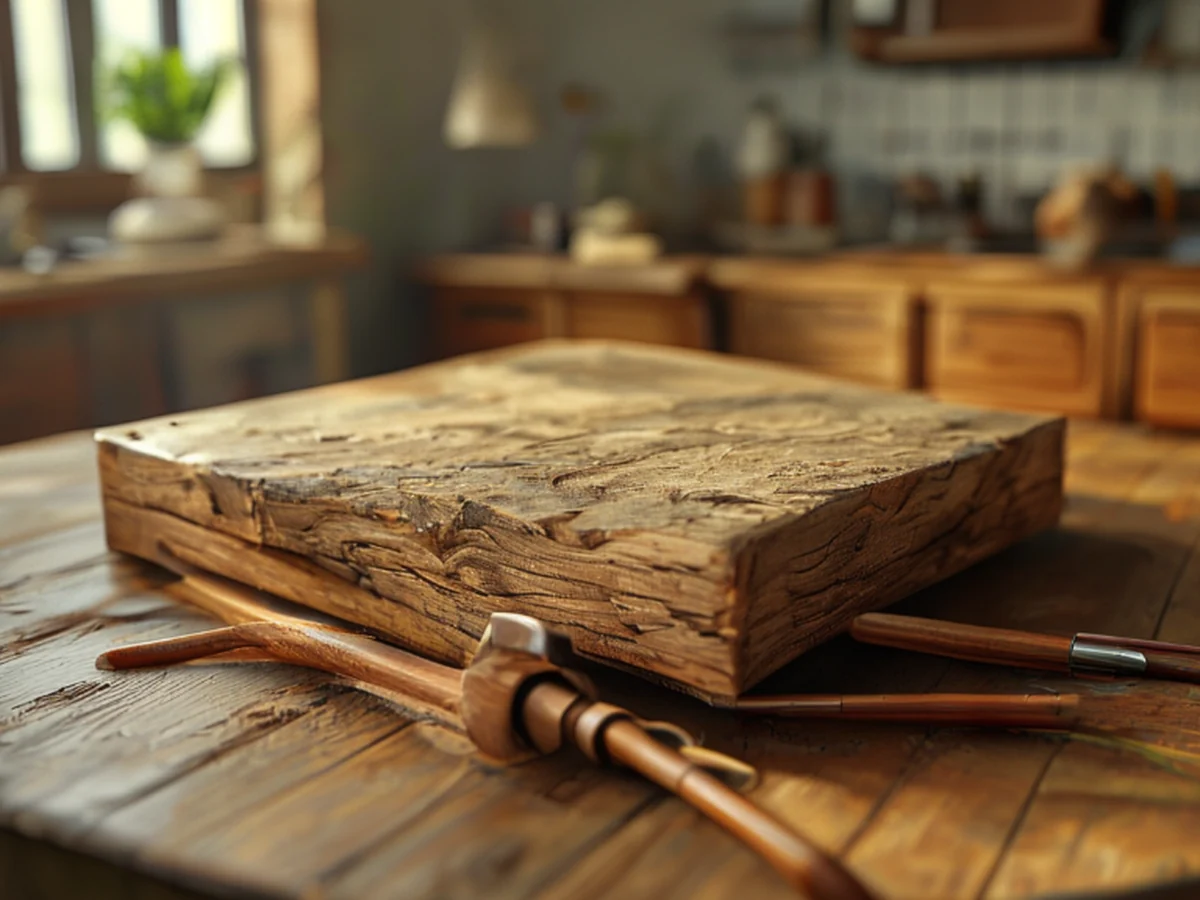
At dawn, the craftsman brushes a steady hand over the rough grain of the oak wood to feel its texture.
A craftsman stands at a workbench, marking a straight line along a thick plank of oak. The scent of sawdust fills the room as the pencil lead meets the grain.
A successful wood baseboard making guide begins with selecting the right material and preparing the edges for assembly. You need wood that is dimensionally stable to prevent warping after the furniture is placed on top.
The baseboard serves as the structural anchor for the entire piece. It must be thick enough to support the weight of the furniture while remaining aesthetically consistent with the design.
Using a heavy-duty saw to cut the initial lengths ensures that the foundation is square. If the cuts are not perfectly perpendicular, the entire furniture piece will lean once assembled.
- Select a high-quality hardwood species suitable for trim work.
- Acquire the necessary cutting tools and measuring equipment.
- Practice basic joinery techniques on scrap wood pieces.
What are the essential tools for wood board making basics? Wood baseboard making guide
A hand plane glides across a rough surface, smoothing out the imperfections in a single, fluid motion. The wood shavings curl up like delicate ribbons on the workshop floor.
Effective wood board making basics involve having the right tools to manage cuts, joints, and surface finishes. You will need a combination of measuring tools, saws, and assembly equipment.
A reliable tape measure and a combination square are vital for ensuring every piece is cut to the exact specification. Accuracy in the initial measurement phase prevents cumulative errors during assembly.
A miter saw or a hand saw allows for precise angled cuts, which are often necessary for decorative baseboard work. Using a spirit level during the setup ensures the base remains flat.
A glue applicator and clamps are necessary to hold the pieces together while the adhesive sets. Proper clamping pressure is essential for creating tight, seamless joints in the base.
In this list, the second item is the most important.
How to master furniture base construction?

A worker carefully applies wood glue to the end grain, then slides two pieces together for a snug fit. The sound of the wood clicking into place signals a successful joint.
Mastering furniture base construction requires a focus on joinery and structural integrity. The goal is to create a connection that can withstand movement and weight over many years.
- Prepare the joints by cutting mortise and tenon or dovetail joints to ensure a mechanical lock between the baseboard and the frame. 2. Dry-fit all components without glue first to verify that every piece fits perfectly and the base sits level on the floor. 3. Apply wood glue to the joints, assemble the pieces using clamps, and perform a final check to ensure the structure is square before the glue dries.
I once spent an entire afternoon re-leveling a baseboard because I neglected to check the floor flatness during the dry-fit phase.
A limitation of this method is that the stability of the baseboard depends entirely on the flatness of the floor surface where the furniture will eventually sit.
What are the common mistakes in DIY furniture baseboard?
A builder stares at a slightly crooked cabinet, realizing the baseboard is not flush with the floor. The mismatch creates a small but noticeable gap in the silhouette.
Common errors in DIY furniture baseboard projects often stem from ignoring the natural movement of wood. Wood expands and contracts with humidity, which can stress rigid joints.
If you do not account for seasonal changes, the joints in your baseboard might crack or pull apart. Using wood that has not been properly seasoned can lead to significant warping.
Another mistake is failing to reinforce the corners of the base. The corners bear much of the lateral stress, so they require stronger joinery or internal bracing.
How to apply these skills to existing furniture?
A person holds an old, wobbly chair against a wall, examining the base for signs of wear. The wood looks aged, but the structure remains largely intact.
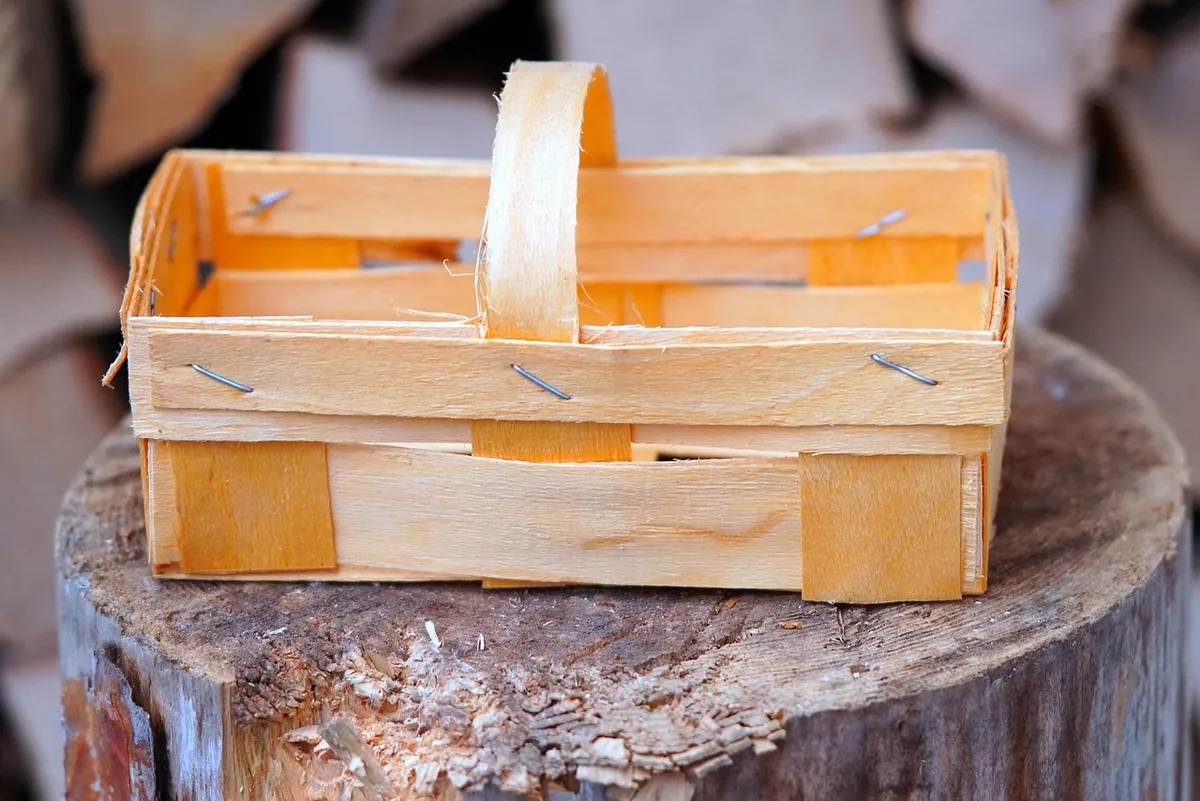
If you are working on an existing piece, you can apply these techniques to repair or upgrade an old base. This is often referred to as simple furniture base repair.
First, remove the old, damaged baseboard components carefully to avoid splintering the remaining structure. Inspect the frame for any rot or structural weakness before proceeding.
Second, measure the existing dimensions to create replacement pieces that match the original aesthetic. It is important to use a similar wood species to ensure a cohesive look.
Third, reinforce the old frame with new supports if the original structure is weak. Once the new baseboard is installed, check that it aligns perfectly with the original furniture lines.
Related
- Electrical Safety: Use the 80% Rule to Prevent House Fires
- DIY Quick home repair tips: Tips for small home issues fast
When should one inspect the wood for stability? Inspecting the wood for stability should occur before any cutting takes place. This initial assessment determines if the material possesses the necessary characteristics to form a solid foundation. If the wood shows signs of inherent instability, the entire project may require a material change to ensure the final piece is durable.
This preparation phase is critical because the stability of the wood dictates the long-term integrity of the furniture. A material that warps easily will compromise the structural soundness, regardless of how well the joints are executed.
Selecting wood that is dimensionally stable prevents future issues.
What considerations apply when reinforcing an existing base? When reinforcing an existing base, the primary consideration is matching the original aesthetic while addressing structural weaknesses. The replacement pieces must align perfectly with the existing furniture lines to maintain visual continuity. This ensures the repair blends seamlessly with the aged structure.
If the original frame exhibits rot or structural weakness, new supports must be integrated into the repair process. This addition strengthens the base, providing a more robust foundation for the furniture piece. The goal remains to achieve a lasting, solid foundation.
The process of applying these skills to existing furniture requires careful removal of the old baseboard components. This careful removal prevents splintering of the surrounding, still-sound wood structure. Proper inspection of the frame before installing new supports is a necessary caution.
Wikipedia: Aspen Golann Based on the retained excerpt mentioning Wharton Esherick Museum: In 2021, Golann received first place in the Annual Juried Woodworking Exhibition at the Wharton Esherick Museum.







Comments 0