How to manage moisture during furniture repair?
"Repairing a piece of furniture often reveals hidden moisture issues that can lead to recurring mold on nearby walls."
Preventing mold after furniture repair requires addressing both the structural integrity of the wood and the environmental conditions of the room. This guide covers how to manage moisture during woodwork fix mold stop projects and provides a foundation for long-term home repair mold control.
How to manage moisture during furniture repair?
As the morning sun streams through the workshop window, I wipe a damp cloth over the wood to manage the lingering humidity.
A craftsman wipes a damp cloth across a newly sanded wooden surface, careful not to let excess moisture soak into the grain. Managing humidity is essential when performing a woodwork fix mold stop to ensure that the wood stabilizes without causing condensation on surrounding surfaces.
When you work on furniture, you often deal with varying levels of humidity that can trigger mold growth on adjacent wallpaper or paint. If the wood is not properly sealed or if the room is too damp, the moisture can transfer to the wall, leading to a cycle of decay.
A successful furniture care mold proof strategy involves ensuring that the repair itself does not introduce new moisture into the living space.
Properly drying all components before assembly is the first step in preventing issues. You should also ensure that any sealants used are compatible with the wood type to prevent trapped moisture.
I once noticed that using a heavy varnish on a slightly damp side-panel caused the wallpaper behind it to peel within weeks.
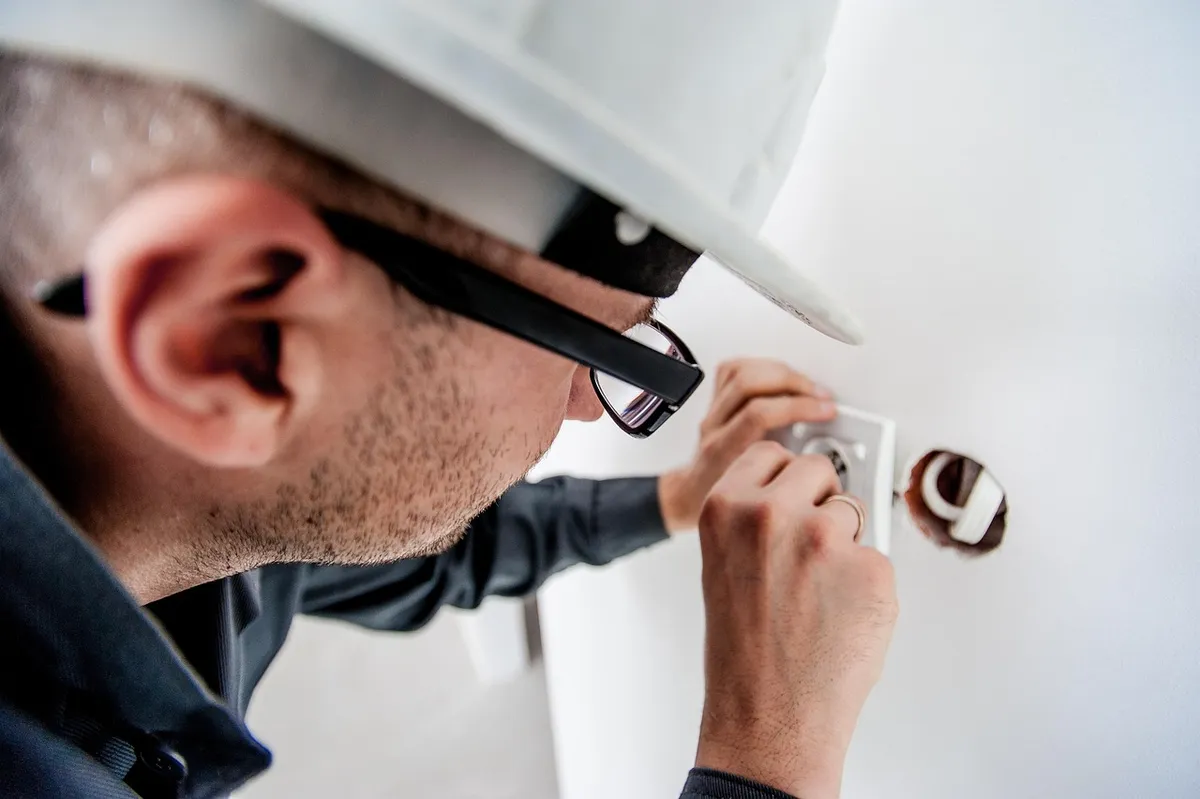
How do I ensure my repair is a success? Furniture repair mold prevention A worker carefully aligns a wooden panel against a wall, checking the gap with a thin piece of plastic. Following a systematic approach helps prevent the unintended consequences of structural changes.
To ensure your repair does not lead to mold recurrence, follow these steps:
- Thoroughly dry all wood components and the surrounding wall area before beginning any installation or application. 2. Apply a high-quality sealant or primer to the wood to create a moisture barrier that prevents internal rot. 3. Maintain a gap of at least a quarter-inch between the furniture and the wall to allow for consistent airflow.
Always perform a final check by placing a moisture meter against the repaired area to confirm that levels are within an acceptable range for your specific environment.
How can I achieve best wall covering mold defense?
A homeowner stands back to inspect the junction where a heavy cabinet meets a decorated wall. Achieving the best wall covering mold defense involves understanding how furniture placement affects the microclimate of a room.
The interaction between heavy furniture and walls is a common site for mold. When furniture is pressed tightly against a wall, it blocks airflow, creating a pocket of stagnant, humid air. This condition often leads to mold growth on the back of the furniture and the wallpaper simultaneously.
To prevent this, do not place large items directly against exterior walls where temperature fluctuations are most extreme. Using spacers or leveling feet can help maintain the necessary air gap.
This simple adjustment is a key part of saving furniture from dampness and protecting your walls at the same time.
What are the risks of doing it myself? A person examines a cracked wooden frame, noting how the grain does not quite match the original piece. Recognizing the limits of one's own skill is vital for long-term home maintenance.
While DIY projects are rewarding, they have limitations based on the severity of the damage. If the wood is already structurally compromised by rot or if the wall has deep-seated moisture issues, a simple surface repair will not be enough.
| Repair Type | Primary Goal | Potential Risk |
|---|---|---|
| Surface Refinishing | Aesthetic improvement | Trapped moisture |
| Structural Reinforcement | Stability | Improper fit |
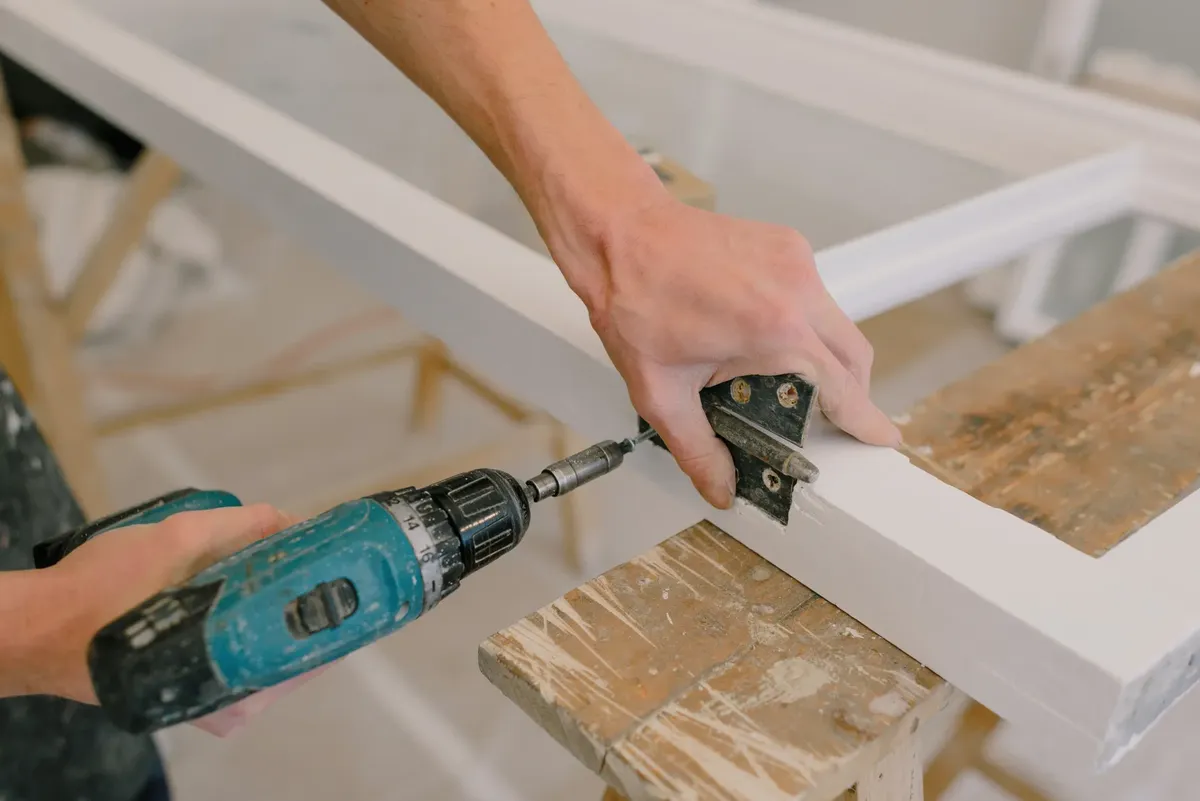
If the wood is soft to the touch due to rot, a surface-level fix is insufficient to prevent mold. It is also important to note that these methods are limited to items where the moisture source is external and not a result of active plumbing leaks.
- How to manage moisture during furniture repair?
- What are the best steps for a successful repair?
- How can I achieve best wall covering mold defense?
The subject here is Furniture repair mold prevention.
The same subject is also called Quick fix mold defense.
Related
- Leveling furniture repair guide: Tips for steady furniture
- Damp walls Fixing minor damp walls guide for surface issues
When is a surface repair insufficient for repairing a piece? If the wood exhibits softness when touched, indicating rot, a superficial repair cannot adequately stop mold growth. This condition necessitates more extensive intervention than just cosmetic fixes.
- When repairing a piece, always verify the structural soundness of the wood before applying any sealant or finish. This verification step prevents the failure of the repair later on due to underlying decay.
This caution applies even when the initial issue seemed minor, as hidden moisture can accelerate deterioration within the piece.
What precautions should be taken when sealing wood? Sealants must be chosen carefully because incompatible materials can trap moisture inside the wood. Using a heavy varnish on a side-panel that is only slightly damp resulted in the wallpaper behind it peeling within a short timeframe.
Properly drying all components before assembly is the initial action needed to prevent future problems. This thorough drying process is a critical part of any successful repair of a piece of furniture.
Maintaining a consistent air gap between the furniture and the wall is a necessary step for long-term mold control. This gap allows for airflow, which counters the stagnant, humid conditions that foster mold growth.





Comments 0