Leveling furniture repair guide: Tips for steady furniture
"A steady table is the foundation of a functional workspace, yet uneven floors can turn even the finest wood into a wobbling nuisance."
Achieving a level surface requires using the right tools and following precise adjustment steps to ensure stability. This guide covers how to level furniture through mechanical adjustments and shim placement to prevent structural damage.
Key takeaways include selecting appropriate leveling tools, applying gradual pressure, and verifying the final balance across all contact points.
How to level furniture safely?
A person stands over a heavy wooden desk, sliding a level across the top surface to check for a tilt. Ensuring stability begins with identifying the exact point of imbalance between the legs and the floor.
When a piece of furniture wobbles, the primary goal is to distribute weight evenly across all legs or base points. Using a spirit level or a smartphone leveling app helps identify if the tilt is caused by the floor or the object itself.
Fixing wobbly furniture often involves adjusting adjustable feet or adding shims to the low side.
Effective leveling involves assessing the floor surface first to see if the irregularity is consistent. If the floor is uneven, the furniture may require specialized leveling feet to compensate for the slope.
This process ensures that the weight remains centered, preventing the unit from tipping or putting undue stress on joints.
To ensure safety, always check for structural stability before applying pressure to any leg or frame. Avoid overextending joints or forcing uneven pieces into place, as this can cause cracks or sudden collapses.
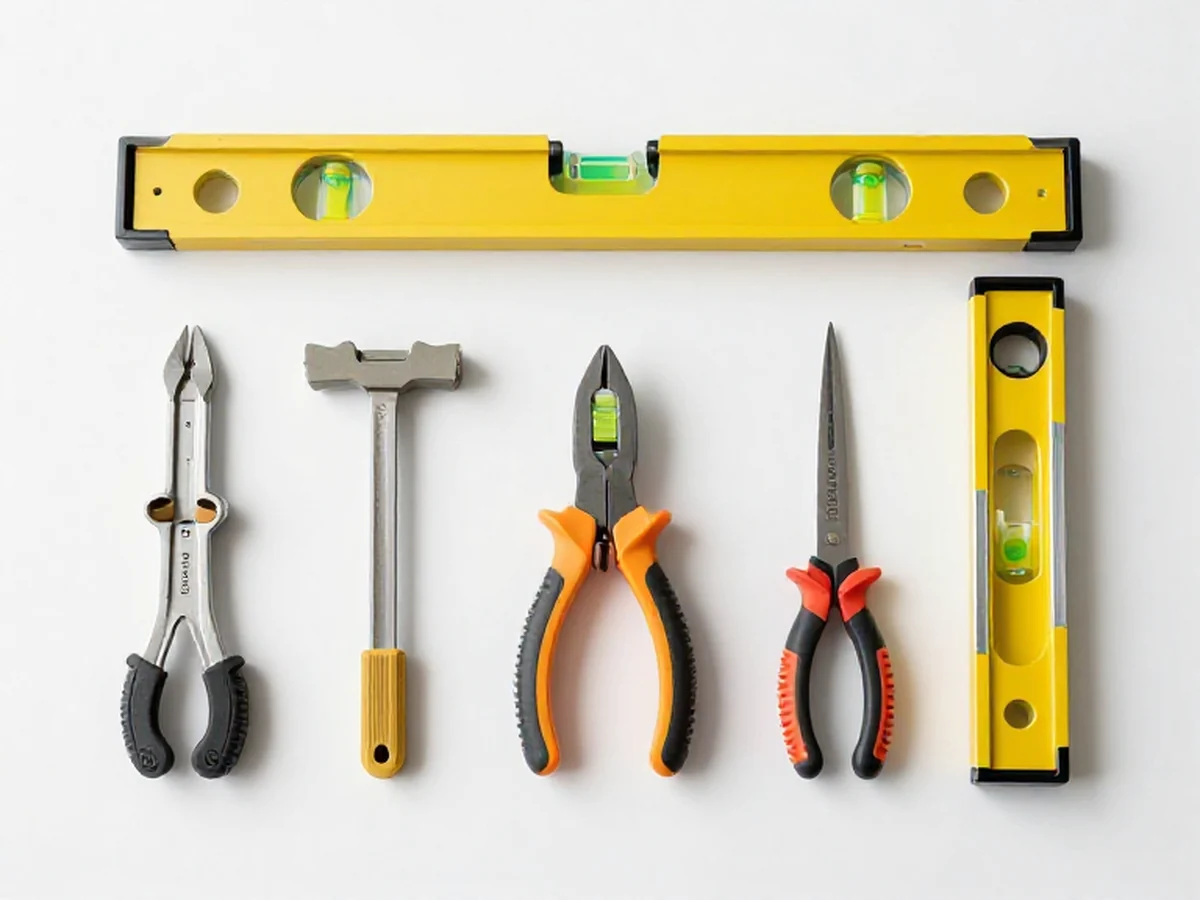
Which tools will level my furniture perfectly? Leveling furniture repair guide A carpenter reaches into a toolbox to pull out a spirit level and a set of tapered wooden shims. Selecting the right equipment is the first step in a successful leveling-repair guide.
The right tools depend on the type of furniture and the severity of the floor's slope. For heavy items, heavy-duty adjustable leveling feet are often the preferred choice. For lighter wooden pieces, thin plastic or wood shims provide a quick fix for minor gaps.
| Tool Type | Best Use Case |
|---|---|
| Adjustable Feet | Heavy cabinets and desks |
| Shims | Small gaps and light furniture |
I found that using a spirit level was essential to confirm that the adjustments actually solved the tilt. Using furniture leveling tools correctly prevents the need for constant re-adjustment.
Commonly used tools include adjustable leveling feet, heavy-duty furniture shims, and spirit levels to ensure accuracy. For temporary fixes, felt pads or rubber wedges also work well.
How can I level my furniture safely? A technician carefully lifts one corner of a heavy cabinet to inspect the contact point with the floor. Following a methodical approach prevents damage to the furniture finish or the floor itself.
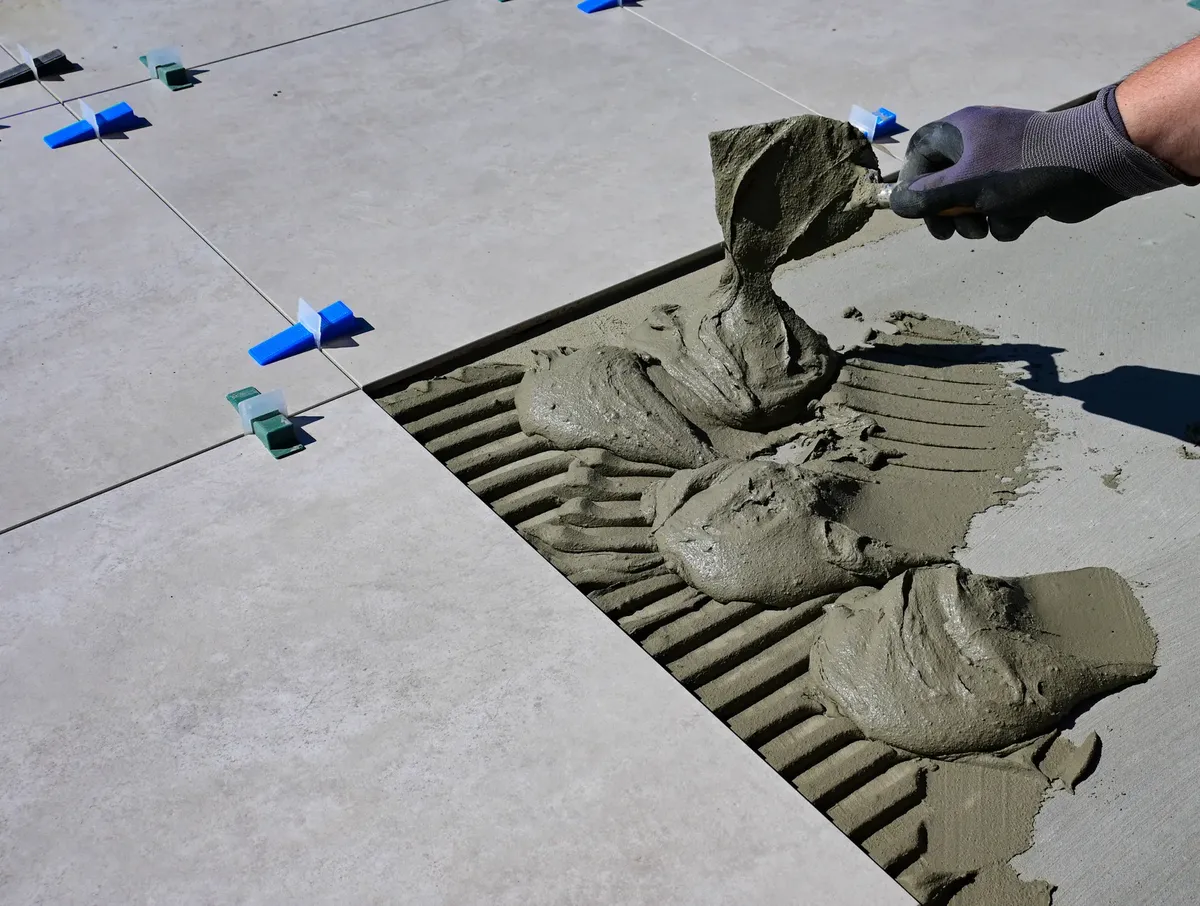
To perform a safe leveling-repair guide, follow these three steps:
- Identify the low corner by placing a level on the top surface and checking the bubble position. 2. Insert shims or adjust leveling feet into the gaps at the low points until the bubble is centered. 3. Apply gradual pressure to the furniture to ensure all legs are firmly touching the ground.
After these steps, perform a final check by checking the level again while the furniture is under its own weight. This prevents the "walking" effect where furniture shifts after being moved.
- Place a level on the flat surface of the furniture to identify which side is uneven.
- Insert shims or adjust leveling feet under the low corners until the bubble stays centered.
- Apply gentle downward pressure to verify that the piece is stable and does not wobble.
Can I use existing materials for leveling?
A DIY enthusiast looks around the room, considering using folded cardboard or scrap wood to fix a wobbly chair. While temporary fixes work, they often lack the longevity of professional solutions.
According to the FAO, approximately 20% of wood became panels in plywood and valuable wood for furniture and objects of common use (FAO 1998).
In many cases, people try to use household items to fill gaps, but these can compress over time. For a more permanent fix, it is better to use dedicated leveling shims.
If you are using wood-based objects, remember that approximately 20% of wood becomes panels in plywood and valuable wood for furniture and objects of common use (FAO 1998).
Using wood-based shims can be effective if they match the material of the furniture. However, avoid using materials that might rot or compress unevenly, such as soft cardboard. Always ensure the shim is tucked securely so it does not slide out from under the leg.
You can use household items like folded cardboard or scrap wood for temporary leveling, but these should be replaced with permanent solutions to prevent slipping or compression over time.
What are the limitations of leveling?
A worker examines a floor with a significant slope that makes standard leveling feet ineffective. Understanding the limits of your tools prevents frustration and potential injury.
According to KOSIS, verified official statistics such as those from KOSIS cover population, general society, and crime/safety.
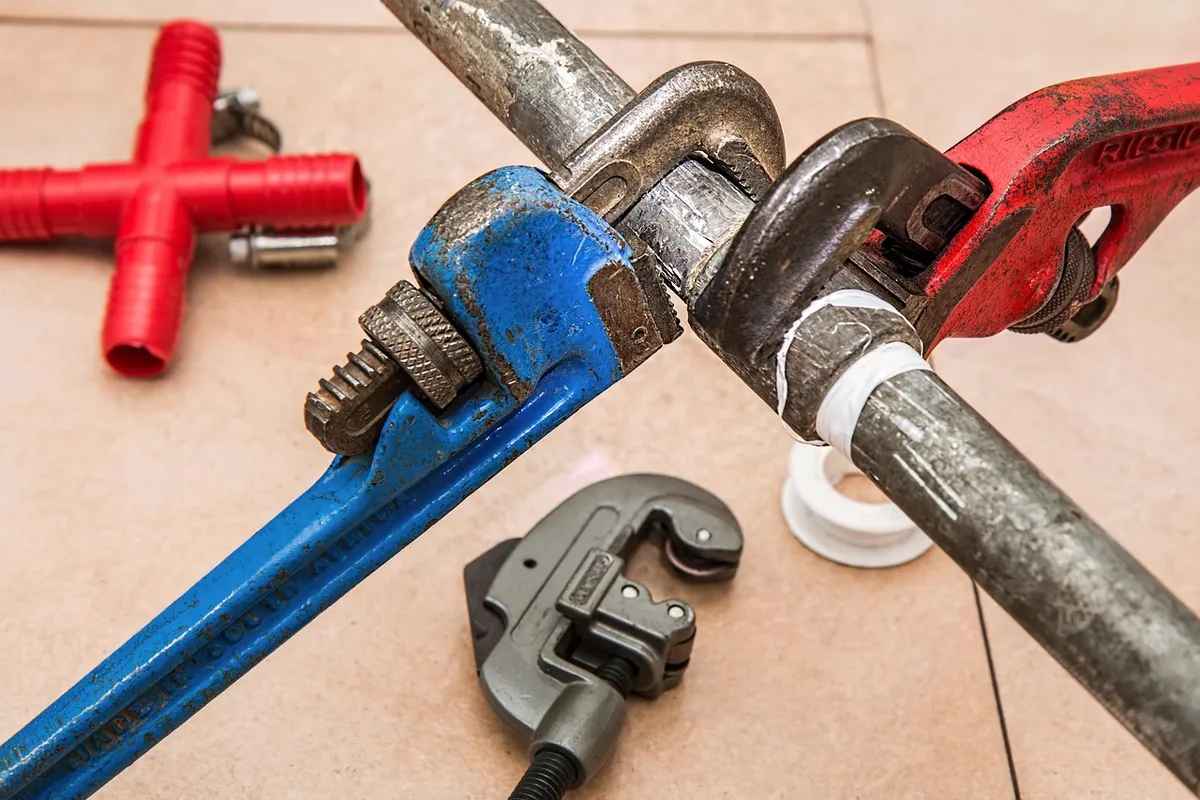
The effectiveness of leveling is limited by the degree of the floor's slope and the strength of the furniture's joints. If the floor is extremely uneven, standard adjustable feet may not provide enough height. In such cases, specialized leveling mounting systems might be necessary.
A limitation exists when the furniture's structural integrity is compromised, such as when legs are warped or cracked. In these situations, simple leveling will not fix the underlying instability.
Leveling only corrects surface tilt; it cannot fix structural warping, cracked legs, or unevenly manufactured frames. If the furniture frame itself is bent, leveling will not restore its original integrity.
Related
- Damp walls Fixing minor damp walls guide for surface issues
- Leveling furniture diy guide: Best tools for adjustment
When is a steady table insufficient for leveling? When the floor exhibits a severe slope, standard leveling feet might not provide adequate elevation for the table. If the floor's irregularity exceeds the adjustment range of the feet, the furniture's inherent stability is challenged. In such conditions, specialized mounting systems become a necessary alternative to achieve a truly steady table.
A steady table is insufficient when the floor itself is sloped or uneven. In these cases, leveling the furniture to the floor may still result in a crooked appearance or instability relative to the room.
How does pressure affect the leveling process? Applying gradual pressure during the leveling procedure ensures that the furniture settles evenly onto the ground. Firm contact across all base points is necessary to prevent the unit from shifting after adjustments. This controlled pressure helps maintain the balance achieved by the leveling tools.
When utilizing shims, the placement must be secure so the shim does not slide out from under the leg. This caution applies whether the shim is made of wood or another material used to correct the uneven floor.
The spirit level serves as a critical verification instrument throughout the process. Confirming the bubble's position after each adjustment validates the effectiveness of the applied mechanical changes to the table.




Comments 0