Standby power cost: Guide to reduce standby power cost
"The silent drain of standby power can quietly inflate your monthly expenses without a single flicker of light on your dashboard."
Managing phantom power drain is essential for anyone looking to reduce standby power cost through smarter appliance habits. This guide covers how to identify energy-wasting devices, safe methods to cut power waste, and practical steps to manage power waste easily.
You will learn to audit your home, use smart strips, and implement routine checks to stop unnecessary spending.
How to identify a phantom power drain?
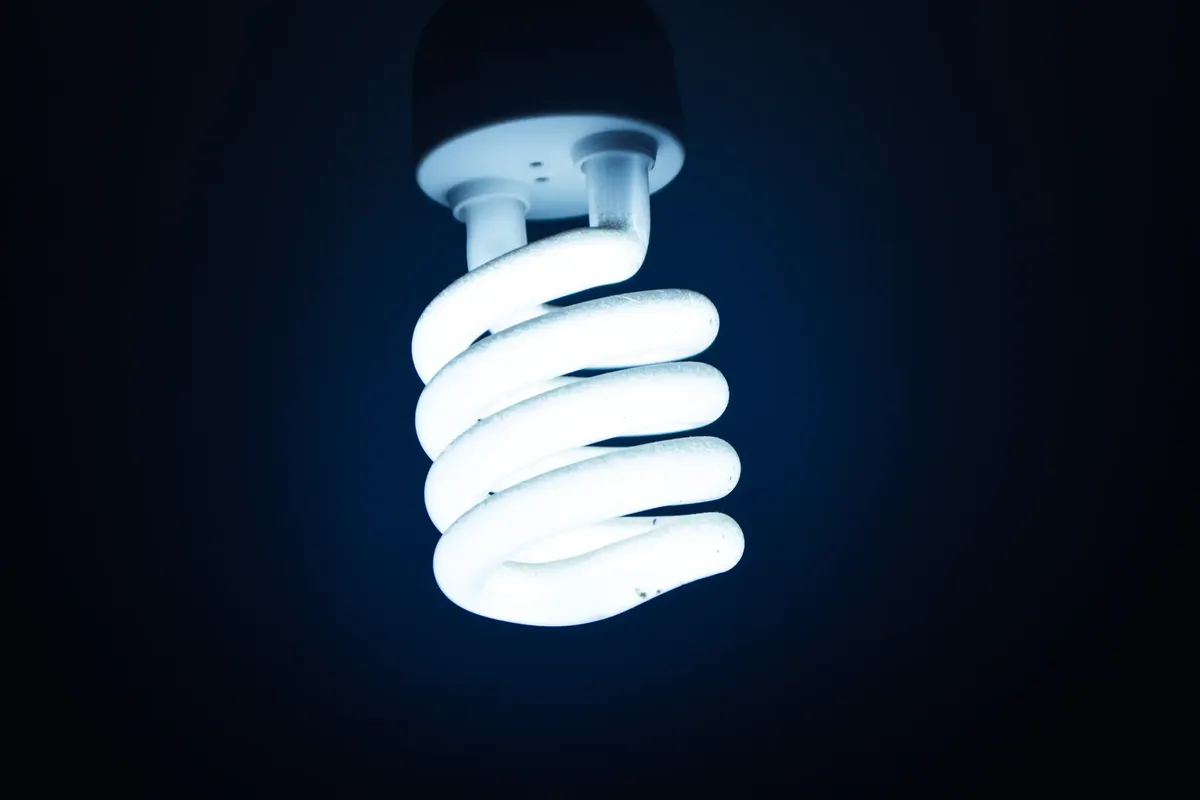
A hand reaches for a remote, clicking a button that does nothing but illuminate a small red LED on a television. This tiny light represents energy being consumed even when the device is not actively in use.
According to the International Atomic Energy Agency, there were 416 nuclear power reactors in operation in 31 countries and 62 under construction as of October 2025.
Identifying these silent consumers is the first step to saving on electricity bills. Many modern electronics, such as chargers, microwave clocks, and gaming consoles, pull power while in standby mode.
To stop phantom power drain, you must look for any device that requires a constant connection to a wall outlet to maintain its standby settings or internal clock.
The process of spotting these leaks is simple. Walk through your living room and check every plugged-in cord. If a device has a standby light or a digital display, it is actively using electricity. By identifying these specific objects, you can begin to plan an effective energy-saving strategy.
What are the best tips for energy saving at home? Reduce standby power cost
A finger presses a heavy power strip button, clicking several plugs into darkness at once. This single motion cuts the connection to multiple devices, effectively halting their standby consumption.
According to the International Energy Agency, "the development of affordable, inexhaustible and clean solar energy technologies will have huge longer-term benefits" in 2011.
To master the art of saving energy, one must address both active and idle loads. Using power strips is one of the most effective ways to manage power waste easily.
For example, a surge protector can act as a central hub for a home office, allowing you to kill the power to your monitor, printer, and speakers with one click.
| Device Category | Common Standby Feature | Impact Level |
|---|---|---|
| Entertainment | Digital Clocks/LEDs | High |
| Computing | Peripheral Readiness | Moderate |
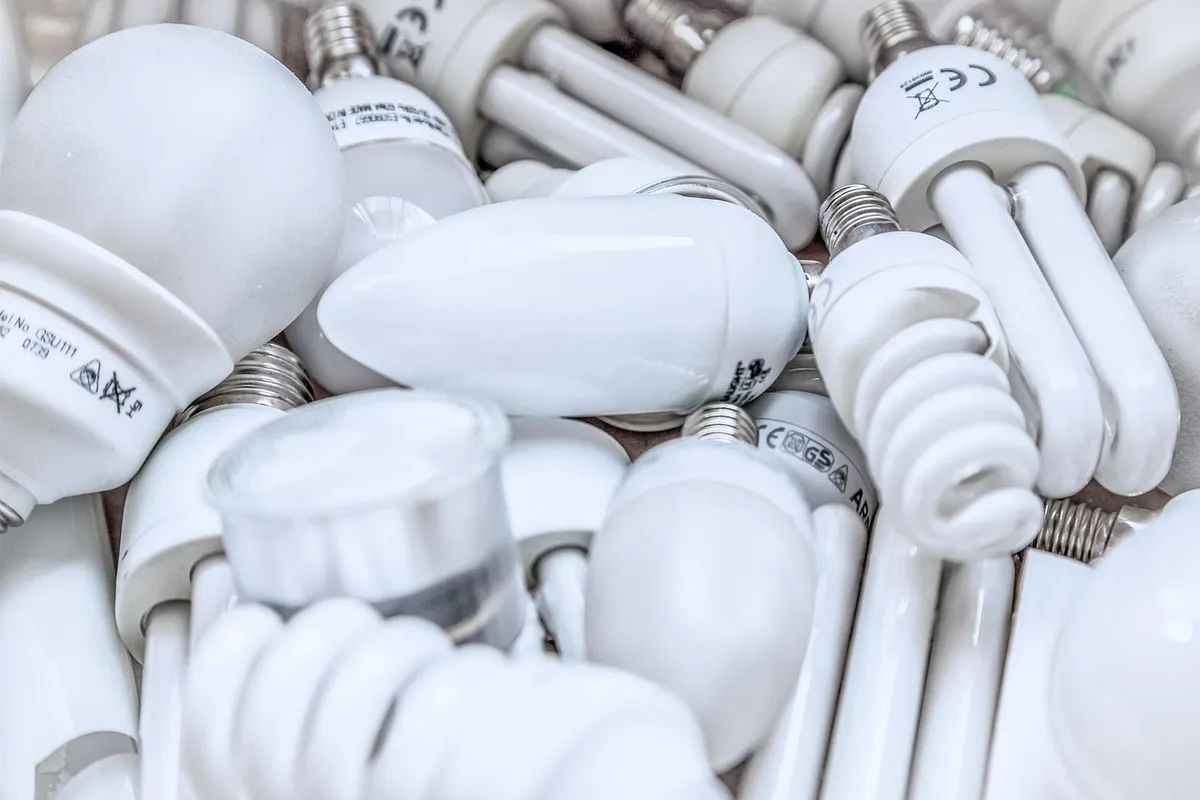
I remember once clearing out my desk and realizing how many small chargers were still pulling power despite being plugged into nothing. You should check your chargers regularly to ensure they are not drawing power when no phone is attached.
How to implement safe ways to cut power waste?
Late at night, a gloved hand carefully unplugs a cord in the dark kitchen to eliminate its standby drain.
A technician carefully inspects a power strip to ensure the connections are tight and the casing is not damaged. Safety must always come first when managing electrical loads.
When you decide to unplug devices, follow these three steps to ensure a safe transition:
- Unplug individual chargers and small electronics during the day to prevent heat buildup. 2. Use high-quality power strips with individual switches to isolate specific groups of electronics. 3. Regularly inspect cords for fraying to prevent accidental shorts when reconnecting devices.
After performing these steps, conduct a final check by ensuring no "always-on" devices are left running unnecessarily. This routine ensures that you are not just cutting costs, but also maintaining a safe electrical environment.
How can HVAC systems affect my energy usage?
A thermostat on a white wall shows a temperature reading, while the hum of a ventilation system fills the quiet room. This background noise represents a significant portion of residential energy consumption.
Understanding your home's energy profile requires looking at large-scale systems. In the United States, heating, ventilation and air conditioning (HVAC) systems account for nearly 50% (10.1 EJ/yr) of the energy used in residential buildings.
This massive consumption makes energy management critical for household budgets.
Because HVAC systems represent such a large share of usage, managing the other 50% through standby power reduction becomes even more impactful. When you lower the idle power of your smaller appliances, you maximize the efficiency of your overall home energy budget.
Wikipedia: Bioenergy Based on the retained excerpt mentioning IEA: The IEA's Net Zero by 2050 scenario calls for traditional bioenergy to be phased out by 2030, with modern bioenergy's share increasing from 6.6% in 2020 to 13.1% in 2030 and 18.7% in 2050.
- How to identify a phantom power drain?
- What are the best tips for energy saving at home?
- How to implement safe ways to cut power waste?
The subject here is Reduce standby power cost.
The same subject is also called save on electricity bills.
The same subject is also called cut down on idle power.
This part also covers how to lower standby electricity.
Related
- Washer replacement tips for a leaky faucet repair guide
- Power tool safety checks: Why clear work zones before use
How does the silent drain affect overall household spending? The silent drain of standby power contributes to a gradual increase in monthly expenditures even when appliances appear dormant. Because many small electronics maintain a constant connection to the wall outlet, their cumulative energy usage adds up over time. This constant, low-level consumption represents a persistent financial leakage that can be curtailed through mindful habit changes.
When considering the impact, the small energy draw from entertainment systems, for instance, contributes to the overall drain. Even when a device is not actively displaying an image or processing data, the standby mode still requires power to maintain its operational readiness.
Addressing this silent drain helps control the total energy footprint of the residence.
This continuous, low-level power consumption contrasts with the high peaks of active usage, yet the steady drain proves to be a significant factor in escalating utility bills. Recognizing this subtle consumption pattern allows homeowners to target specific areas for reduction.
When should routine power checks be performed? Routine power checks should be integrated into regular household maintenance schedules to prevent the silent drain from becoming a substantial cost factor. Checking chargers, for example, should happen when you are tidying up or organizing electronic equipment. Inspecting cords for fraying should occur during general home safety sweeps.
Implementing these checks ensures that the safety protocols mentioned, such as inspecting cords, are maintained alongside energy conservation efforts. A consistent habit of auditing plugged-in items prevents the accumulation of unnecessary standby power usage.
This proactive approach minimizes the risk associated with electrical issues while simultaneously reducing the drain.
Using smart strips allows for scheduled power cycling, which is a more advanced form of routine check. This method automates the process of cutting the power to peripheral readiness when it is not needed.
Such automation helps maintain the reduction in the silent drain without constant manual intervention.





Comments 0