Fast engine oil change guide: How to maintain your car
This guide is for drivers seeking to maintain their vehicles through efficient DIY practices. You will learn how to approach basic maintenance with precision, focus on safety, and understand the importance of routine service.
"The key to longevity is not just the quality of the oil, but the consistency of the replacement."
A driver pulls into a driveway, the scent of warm metal lingering in the air. This guide provides a fast engine oil change guide for those ready to take charge of their own vehicle maintenance. Through these steps, you can ensure your car remains reliable for long-distance trips or daily commutes.
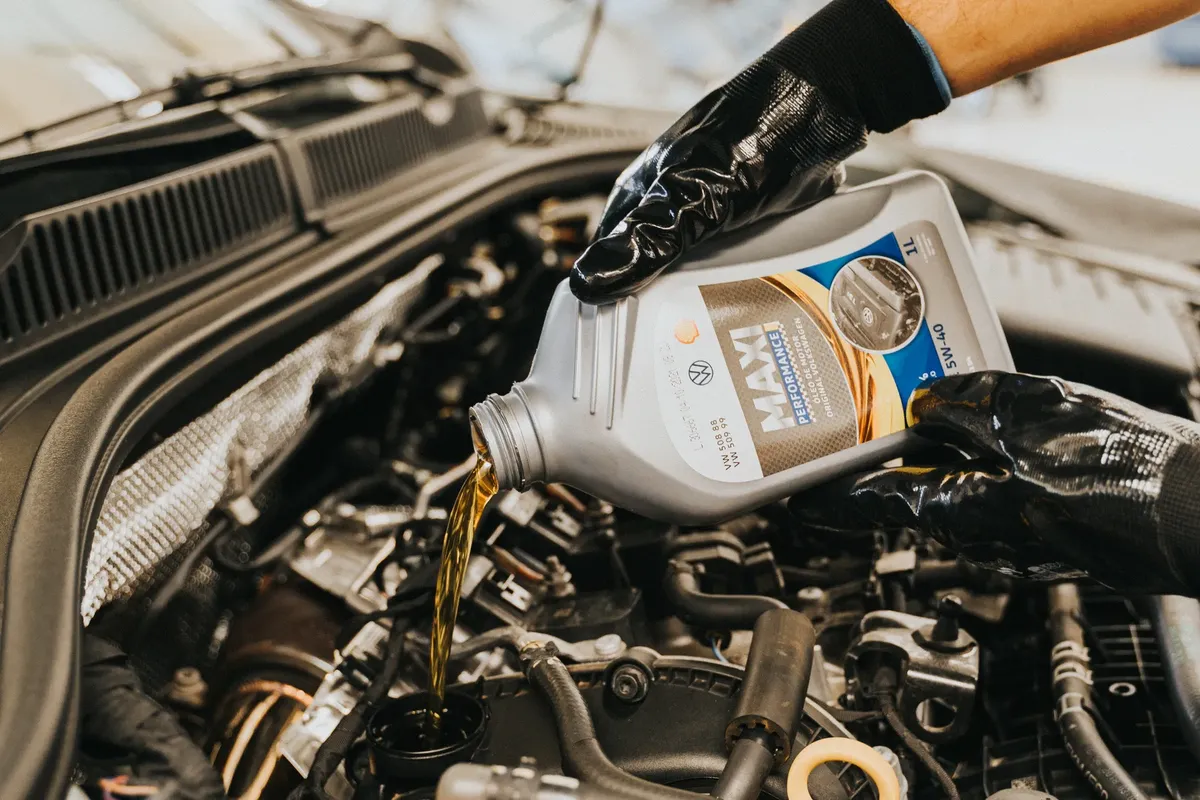
Key takeaways: - Prioritize safety and tool readiness before starting. - Follow a systematic approach to prevent spills and contamination. - Understand that routine maintenance is vital for engine longevity.
How do I start a fast engine oil change guide?
In the dim garage, I grip the cold wrench tightly to begin my fast engine oil change guide.
A mechanic's garage is filled with the sound of clinking wrenches and the heavy aroma of used oil. Before touching any tools, a driver must gather all necessary supplies, including the correct oil grade, a new filter, a wrench, and a drain pan.
Preparing the workspace ensures that the process remains efficient and prevents messy accidents on the driveway.
A successful easy oil change method begins with warming the engine slightly to allow the oil to flow more freely. Once the vehicle is safely elevated on jack stands, the drain plug is loosened to let the old fluid exit.
This initial preparation prevents the common mistake of working on a cold engine which can make the process much more difficult.
The first step is to locate the oil pan and the drain plug under the vehicle. After securing the car, you must carefully unscrew the plug to begin the drainage. A second step involves removing the old oil filter using a specialized tool to avoid hand slips.
Finally, you must replace the gasket and tighten the new filter to prevent leaks.
I remember the first time I attempted this; the sight of dark oil flowing into a clean pan felt like a significant achievement. Following these steps helped me realize that organization is just as important as the mechanical work itself.
Begin by gathering all necessary supplies, including fresh oil, a new filter, a wrench set, and a drain pan, to ensure a smooth process from the start.
Why is a quick car oil replacement necessary?
In the heat of noon, I wipe sweat from my brow while watching the dark sludge flow fast into the pan.
A heavy wrench rests on a workbench next to a bucket of clean, golden oil. Regular maintenance is essential because old oil loses its viscosity and ability to protect moving parts over time.
Replacing the fluid frequently prevents engine wear and maintains optimal performance during various driving conditions.
A quick car oil replacement prevents the buildup of sludge that can clog internal engine components. If the oil becomes too thick or contaminated, it can no longer lubricate the metal surfaces effectively. This proactive approach helps avoid much more expensive repairs in the future.
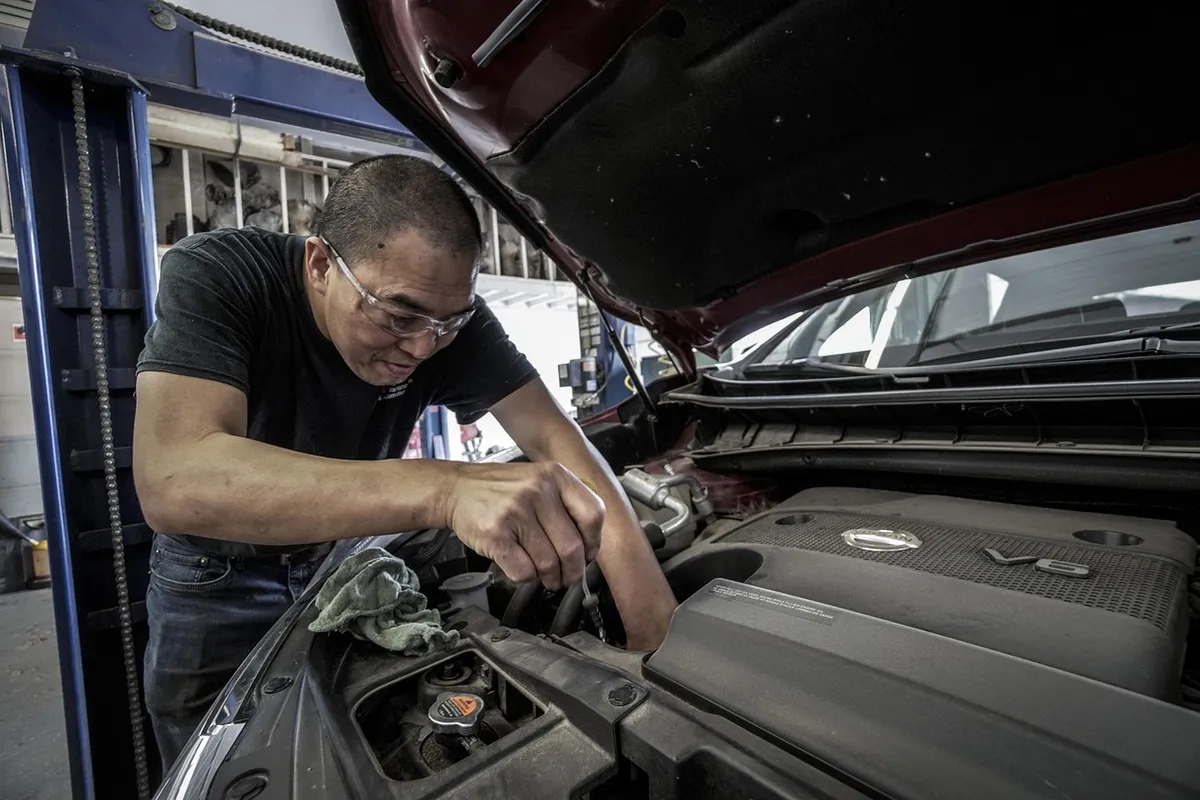
Using a simple engine oil service routine ensures that the vehicle remains in peak condition for everyday use. It is not just about changing a liquid; it is about preserving the life of the engine. Staying ahead of the maintenance schedule saves time and prevents unexpected breakdowns on the road.
Regular oil changes prevent engine sludge buildup and ensure that moving parts remain properly lubricated to avoid premature wear.
How do I change my oil safely? A jack stands firmly on the concrete floor, supporting the weight of the vehicle. Safety is the most critical element when working beneath a car to prevent injury or equipment damage. You must never work under a vehicle that is only supported by a jack.
The following list outlines the safe oil change steps: 1. Secure the vehicle on jack stands or a lift to ensure it cannot move. 2. Wear protective gloves and eyewear to guard against hot oil and debris. 3.
Check the new oil level after the process is complete to ensure it meets the manufacturer's specifications.
A simple engine oil service prevents the buildup of contaminants that can damage the engine. By following a structured routine, you minimize the risk of stripping threads or causing spills. Consistency in these safety measures is what separates a successful DIY job from a dangerous mistake.
- Drain the old oil into a pan after the engine has cooled slightly.
- Replace the old oil filter with a new one.
- Refill the engine with the recommended amount of fresh oil.
How can I maintain my car efficiently? A toolbox sits open, revealing organized wrenches and a clean rag. Efficiently managing car tasks requires having the right tools and a clear plan of action. When you approach maintenance with a structured mindset, the work becomes much faster and more reliable.
An efficient car maintenance routine involves checking all fluid levels and inspecting belts during every oil change. This allows you to catch small issues before they turn into major mechanical failures. It is a comprehensive way to look after your vehicle's health.
| Task Type | Primary Goal |
|---|---|
| Oil Replacement | Lubrication and cleaning |
| Filter Change | Trapping contaminants |
I found that keeping a small checklist near my tools made the entire process much more streamlined. This method ensures that no small detail, like the drain plug washer, is overlooked during the transition.
Consistency is key; scheduling regular inspections and following the manufacturer's service intervals will keep your vehicle running optimally.
What is the limitation of DIY maintenance?
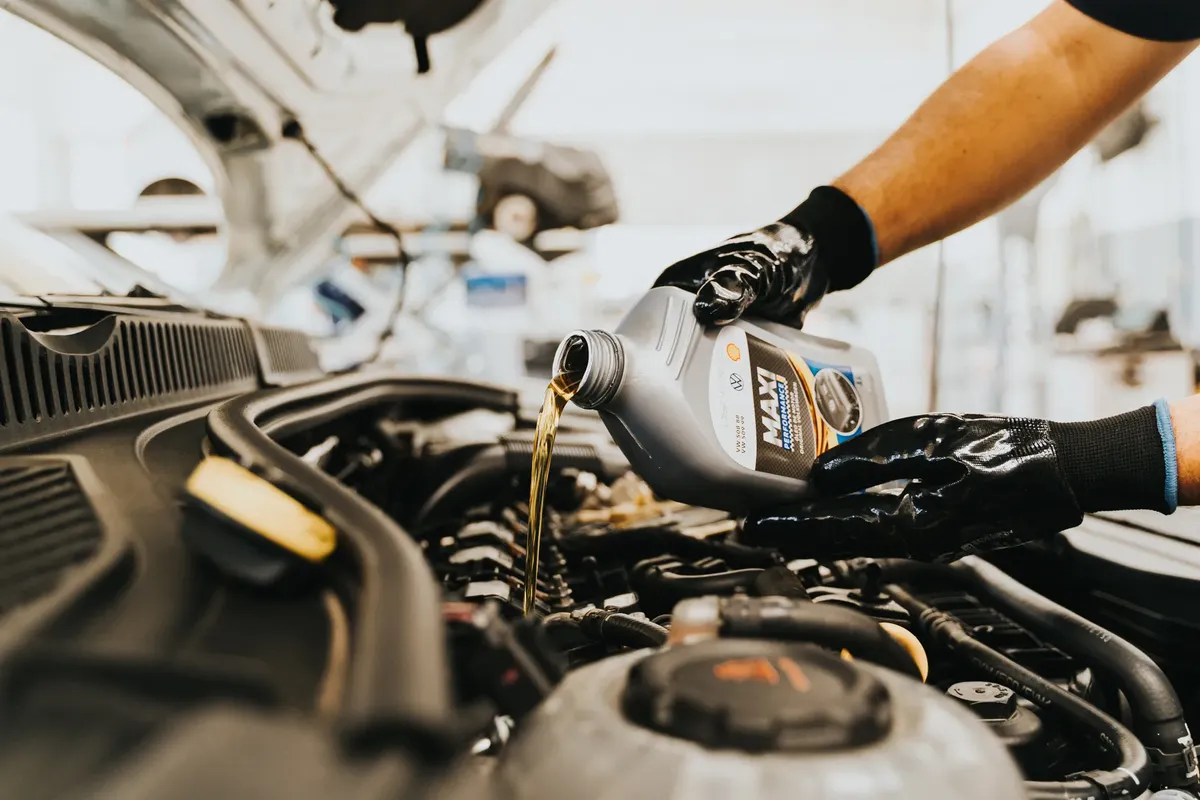
A driver stands in a driveway, looking at a complex engine bay with a sense of caution. While basic tasks are manageable, certain repairs require specialized diagnostic tools and professional training. It is important to know when a task exceeds the capability of a home garage.
A limitation of this process is that it cannot diagnose internal mechanical failures like worn piston rings or cracked blocks. While changing oil is a vital part of basic upkeep, it does not replace a full engine inspection by a professional.
If the oil shows signs of metal shavings, the issue is likely deeper than a simple fluid change.
While basic tasks are manageable, DIY work cannot replace professional diagnostic tools and specialized expertise required for complex mechanical repairs.
The same subject is also called DIY oil change tutorial.
This part also covers Basic engine oil repair.
Safe oil change steps
Related





Comments 0