Concrete wall painting guide: 10 cm to paint concrete walls
"In a manual operation method, the air-gun sprayer is held about 6 to 10 inches from the object, and moved back and forth over the surface, each stroke overlapping the previous to ensure a continuous coat."
Mastering the art of applying a fresh finish to a concrete surface requires precision, the right equipment, and a strict adherence to safety protocols. This guide covers the essential techniques for manual spraying, how to manage coating thickness, and how to navigate flammable risks.
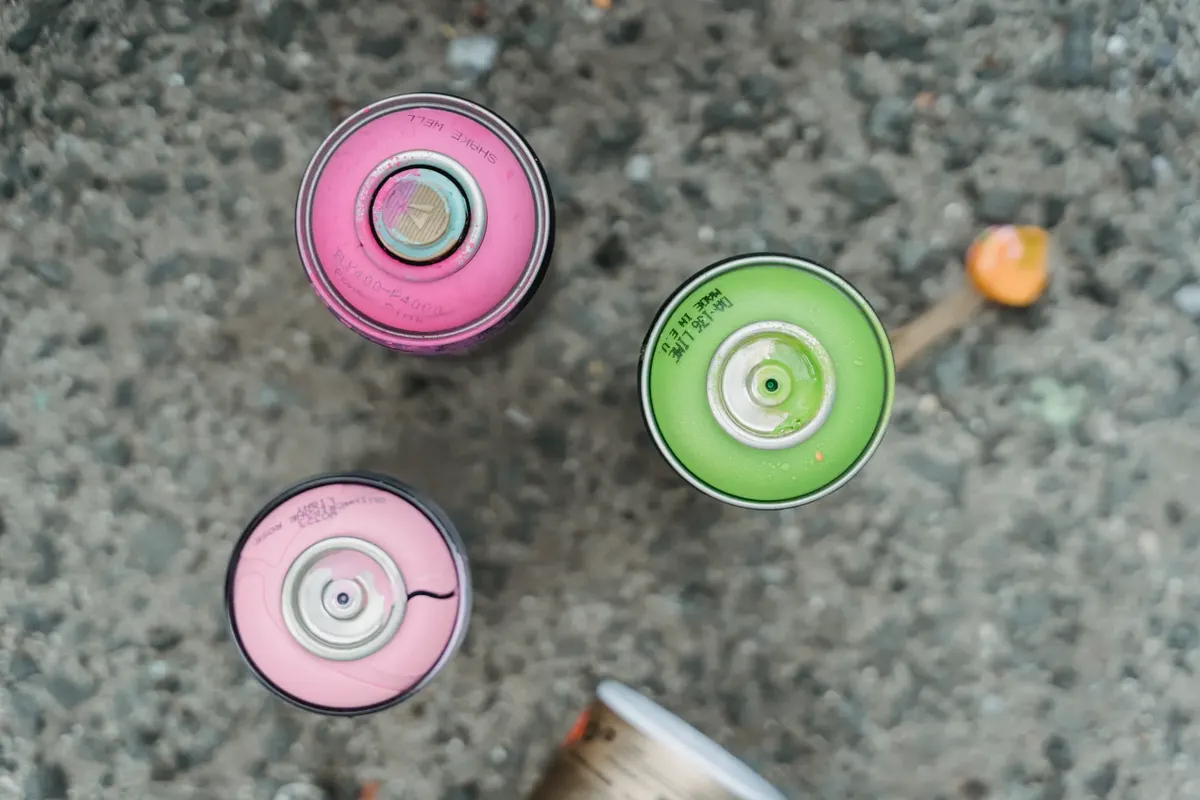
You will learn about tool distance, temperature adjustments, and specialized machinery while understanding that specialized equipment is required for complex shapes.
How to paint concrete walls with a manual sprayer?
At sunset, the worker grips the heavy sprayer and sweeps it across the rough concrete wall with a steady hand.
A worker stands before a bare concrete slab, gripping a heavy air-gun sprayer and preparing for the first pass. To achieve a professional finish, the operator must maintain a consistent distance between the nozzle and the surface.
According to Wikipedia, in a manual operation method, the air-gun sprayer is held by a skilled operator about 6 to 10 inches (15–25 cm) from the object. The operator must move the tool back and forth over the surface, ensuring each stroke overlaps the previous one to maintain a continuous coat.
This overlapping technique prevents streaks and thin spots on the concrete.
- Mix the paint thoroughly to ensure consistent pigment distribution.
- Fill the sprayer canister and prime the pump to establish steady pressure.
- Apply the paint in consistent, overlapping strokes to prevent streaking.
What are the best tools for paint and thickness control?
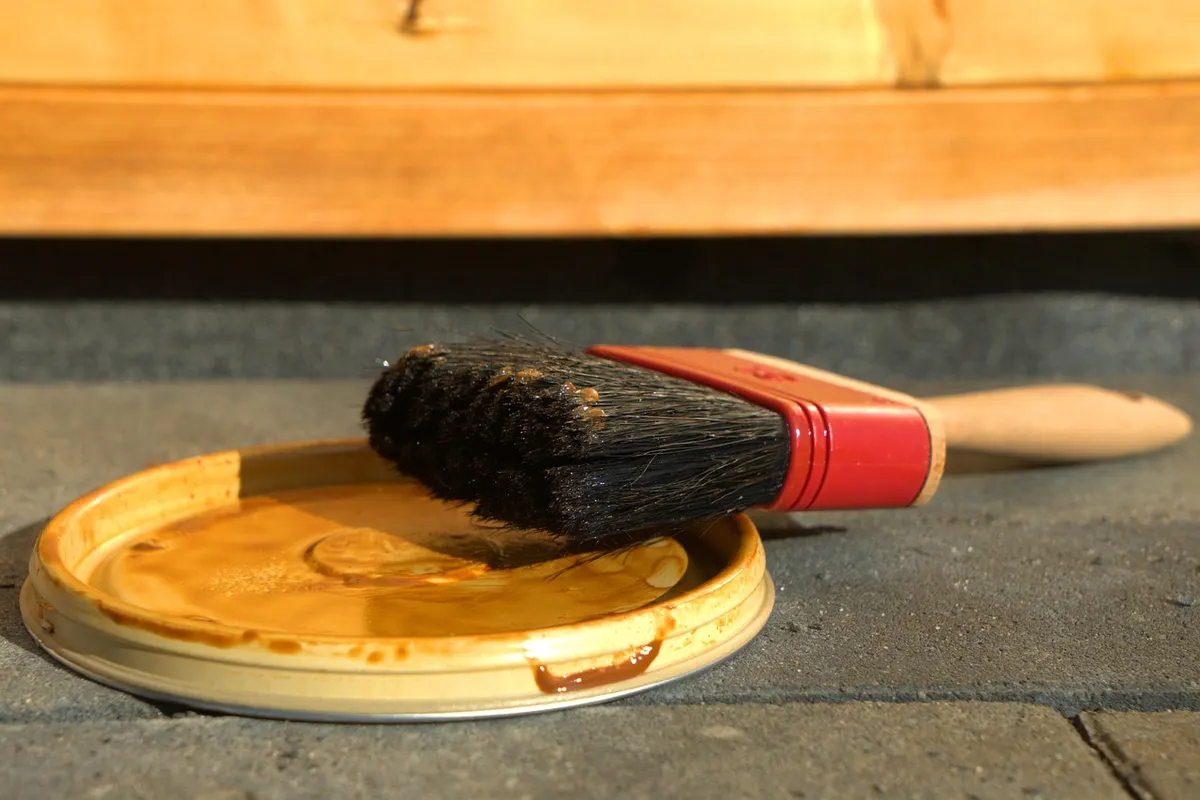
At noon, the operator brushes a hand against the warm metal of the heated vat to adjust the flow for the concrete. The operator adjusts the temperature of the liquid in a heated vat to change the viscosity of the coating. Controlling the flow is vital when working with heavy-bodied materials.
By heating the full-bodied paint to 60-80 °C, it is possible to apply a thicker coat. This thermal adjustment allows for better coverage on porous surfaces. Using these thermal properties helps the operator manage how the material adheres to the substrate.
In this sequence, the second step is the most time-consuming.
How do I paint complex shapes myself? A technician maneuvers a specialized machine toward a set of kitchen cabinet doors to ensure every corner is covered. Standard sprayers often struggle with intricate details or varying depths.
Flatline machines are designed to specifically paint material that is less than 4 inches (10 cm) thick and complex in shape, such as a kitchen cabinet door or drawer front. These machines provide the precision necessary for items that do not have flat, expansive surfaces.
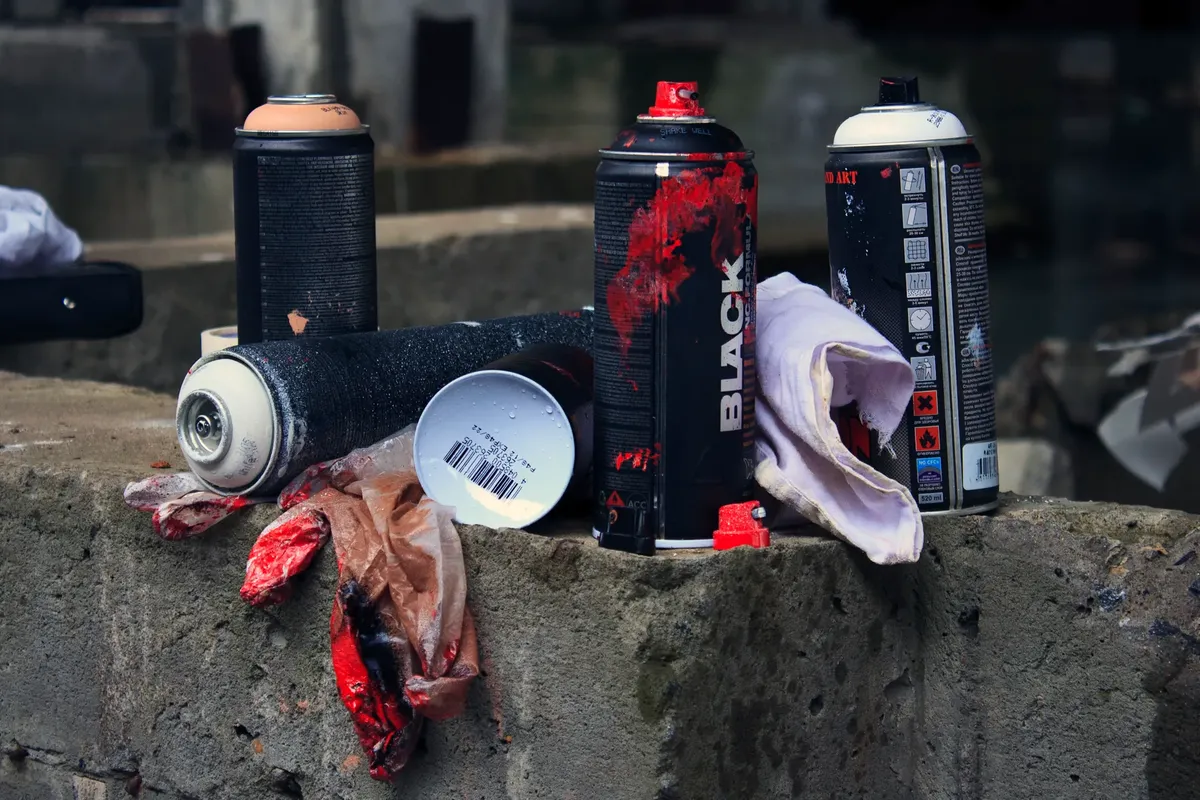
Understanding these tool limitations is part of a successful concrete wall painting guide.
Safe concrete painting guide for flammable environments
An operator checks the ventilation in a workspace before engaging the trigger of a spray gun. The fine mist produced during the process creates an immediate environmental hazard.
Many products used in spray paint are flammable, such that fire risk is likely within a distance of 15 cm from the nozzle. Maintaining proper ventilation and avoiding ignition sources near the spray zone is mandatory for safety.
A safe concrete painting guide must prioritize these fire prevention measures.
Essential tools for painting and application steps
The technician lays out the spray gun, the heated paint, and the flatline machine on a sturdy workbench. Every tool serves a specific purpose in the application process.
- Position the sprayer at a distance of 6 to 10 inches from the concrete surface. 2. Apply the coating using overlapping strokes to ensure a continuous, even layer. 3. Utilize heated paint at 60-80 °C if a thicker coat is required for the specific material.
I carefully measured the distance from the nozzle to the wall to ensure the overlap was perfect before pulling the trigger. This process ensures the coating remains consistent throughout the project.
A limitation of this process is that specialized machines like flatline units are specifically designed for materials less than 4 inches (10 cm) thick and complex in shape.
The subject here is How to paint concrete walls.
The same subject is also called DIY concrete painting tips.
The same subject is also called Best tools for concrete paint.
This part also covers Mastering concrete wall paint.
This part also covers {.
Related
- Labor division tips Streamlining for stable growth guide
- Fad Diets Risks Guide Boost Metabolism Weight Loss
When is the manual operation method most effective? 1. The manual operation method is ideal for surfaces where intricate details require close attention. 2. Maintaining the specified distance during this manual operation ensures the coating remains consistent. 3. Overlapping strokes during the manual operation prevents the formation of thin spots on the concrete.
What conditions necessitate specialized machinery? Specialized machinery becomes necessary when the surface geometry deviates from simple, flat expanses. Flatline machines, for example, are designed specifically for material less than 4 inches (10 cm) thick and complex in shape. This machinery provides the necessary precision where standard sprayers might falter.
Temperature adjustments are a key factor in controlling the application of the coating. Heating the paint allows the operator to manage how the material adheres to the substrate. This thermal adjustment enables the application of a thicker coat when the material is heated to 60-80 °C.



Comments 0